

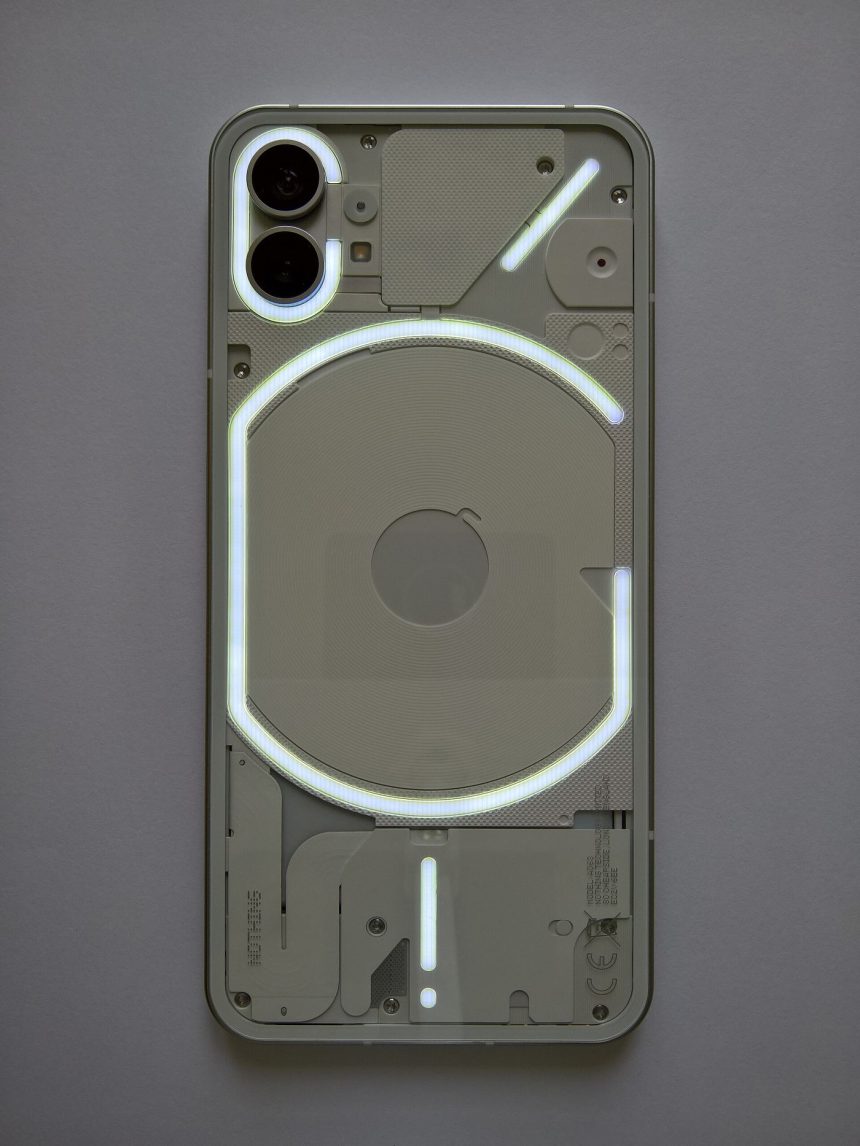
Nothing, the London-based consumer technology company, has teased the launch of its first artificial intelligence-native device, a product with no screen. Founder and chief executive Carl Pei announced the device on 20 November 2026 in an article published on X, saying it will launch in December 2026 and mapping out his view of how consumer technology is evolving. Pei described the product as Nothing’s first AI-native device, meaning it is designed around an AI assistant from the start rather than having AI added to an existing phone or earbud. Beyond the screen-free design and the December launch window, the company has not disclosed the device’s form, price or specifications. The announcement puts Nothing among the companies betting that the next important personal device may not be a phone at all.
What the Evidence Shows
The idea of a screenless AI device is easy to describe and hard to get right. A phone’s screen does many jobs at once: it shows information, takes input and confirms what the device understood, and removing it means the assistant must handle all of that by voice and by context alone. Earlier attempts at AI-first hardware have struggled precisely there, when the assistant misunderstood a request or could not show a result. Nothing’s advantage is its design-led brand and its existing earbuds and phones, which give it a customer base to build on, but a device that asks people to leave the screen behind will need to be clearly more useful than the phone already in their pocket. Until December, the most that can be said is that Pei has staked the company’s next step on that bet, and the launch will show whether the hardware and the assistant are ready. Reporting and analysis from sources such as Wired track the same developments, and specialists following Nothing’s first AI-native device say the direction is now consistent across independent lines of evidence.
The Wider Context
The wider context is an industry learning to ship capability and restraint together. Products built around Nothing’s first AI-native device now launch with safety evaluations, usage data and rollback plans as standard, because enterprise buyers and regulators ask for them in the first meeting. Companies that treated those questions as friction are discovering they have become the purchase criteria.
What Happens Next
What happens next for Nothing’s first AI-native device depends less on another breakthrough than on the unglamorous work of reliability, pricing and support. The buyers evaluating it now are not enthusiasts; they are operators with budgets and auditors, and their checklists will decide the timeline. On the evidence of the current pilots, the technology has earned the right to be judged by them. You can follow related developments in our coverage of technology.
None of this will be settled by a single announcement, study or product launch. The pattern to watch is accumulation: independent confirmations, honest reporting of failures and steady improvement in the underlying numbers. Readers who follow those signals, rather than the loudest claim of the week, will understand this subject better than most of the commentary surrounding it suggests is possible.