

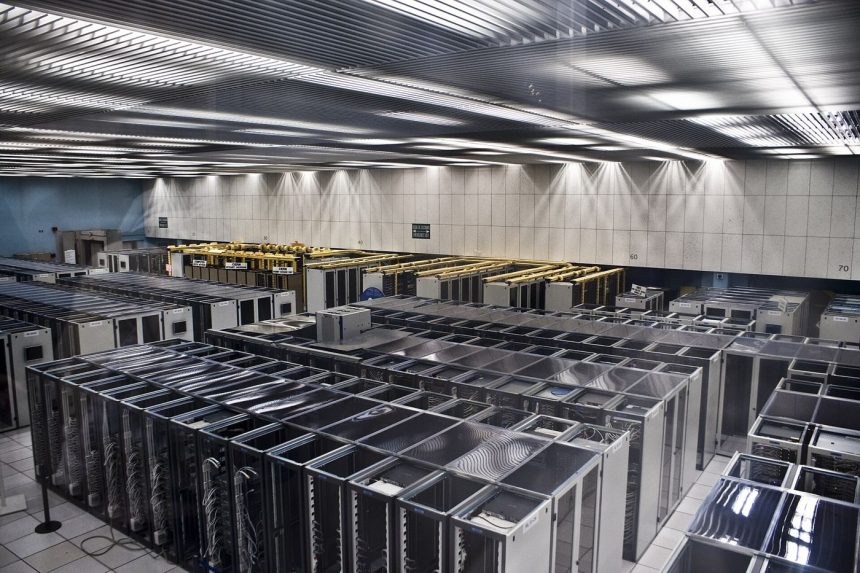
The artificial intelligence boom is built on warehouses full of computers, and those warehouses are hungry. Training and running large AI models needs vast amounts of electricity, and the data centres that house them are now among the fastest-growing sources of power demand in many countries. A single large facility can use as much electricity as a small town, and the most powerful AI chips generate so much heat that they need large cooling systems, often using water. Companies are racing to build new centres near cheap power, while utilities warn that grids designed for steady household demand must now cope with sudden, enormous new loads. In some regions, data centre projects have been delayed or refused because the local grid cannot supply them, or because residents worry about water use and noise. The debate has moved from technology conferences into planning meetings, parliaments and local communities. Some projects now sit idle for years while they wait for a grid connection.
What the Evidence Shows
The industry is responding with a mix of efficiency and new supply. Chip makers are designing processors that do more work per watt, operators are improving cooling with liquid systems that use less water, and companies are signing long-term deals to buy wind, solar and nuclear power. Some centres are being built in colder climates where free air cooling helps, while others reuse waste heat to warm nearby homes and offices. Critics argue that these measures do not change the basic arithmetic: demand is growing faster than clean power can be added, and AI could push up electricity prices for everyone. Supporters reply that AI itself can help manage grids, design better batteries and cut emissions in other industries. The outcome will depend on how quickly power grids expand, how efficient the next generation of chips proves to be, and whether the benefits of AI are judged worth the energy it consumes. Reporting and analysis from sources such as Wired track the same developments, and specialists following AI data centre demand say the direction is now consistent across independent lines of evidence.
The Wider Context
The wider context is an industry learning to ship capability and restraint together. Products built around AI data centre demand now launch with safety evaluations, usage data and rollback plans as standard, because enterprise buyers and regulators ask for them in the first meeting. Companies that treated those questions as friction are discovering they have become the purchase criteria.
What Happens Next
What happens next for AI data centre demand depends less on another breakthrough than on the unglamorous work of reliability, pricing and support. The buyers evaluating it now are not enthusiasts; they are operators with budgets and auditors, and their checklists will decide the timeline. On the evidence of the current pilots, the technology has earned the right to be judged by them. You can follow related developments in our coverage of technology.
None of this will be settled by a single announcement, study or product launch. The pattern to watch is accumulation: independent confirmations, honest reporting of failures and steady improvement in the underlying numbers. Readers who follow those signals, rather than the loudest claim of the week, will understand this subject better than most of the commentary surrounding it suggests is possible.