
We’ve developed a cultural reflex that equates “Tech Upgrade” with progress. The assumption is that newer always means better, and questioning it can make you seem out of touch. In reality, the truth is far less flattering.
“Smart” Features Everywhere
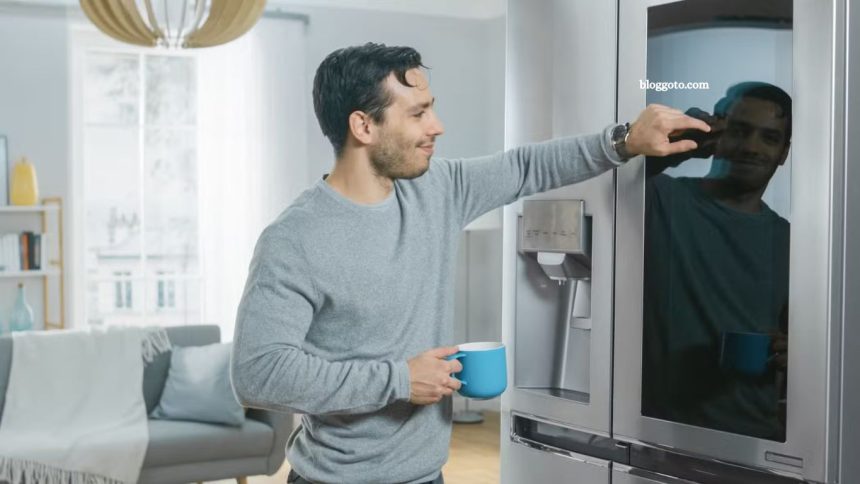
Not everything needs Wi-Fi. Yet many appliances now refuse to work during a software update. These so-called smart gadgets are packed with gimmicky features few actually want—and each one is a potential failure point.
A friend doesn’t have a touchscreen for your Google Calendar, and a Wadowado doesn’t want to email you when a cycle ends. For decades, buzzers did the job perfectly.
Read More: How I Use Free Chatbots to Access AI Without Spending a Dime
Worse, many devices double as surveillance tools. Smart TVs track viewing habits, and even toothbrushes push apps that steal more of your privacy.
Ironically, the “old “dumb” appliances with simple dials often last longer. No updates, no crashes—just reliable performance until they wear out naturally.
QR Menus at Restaurants
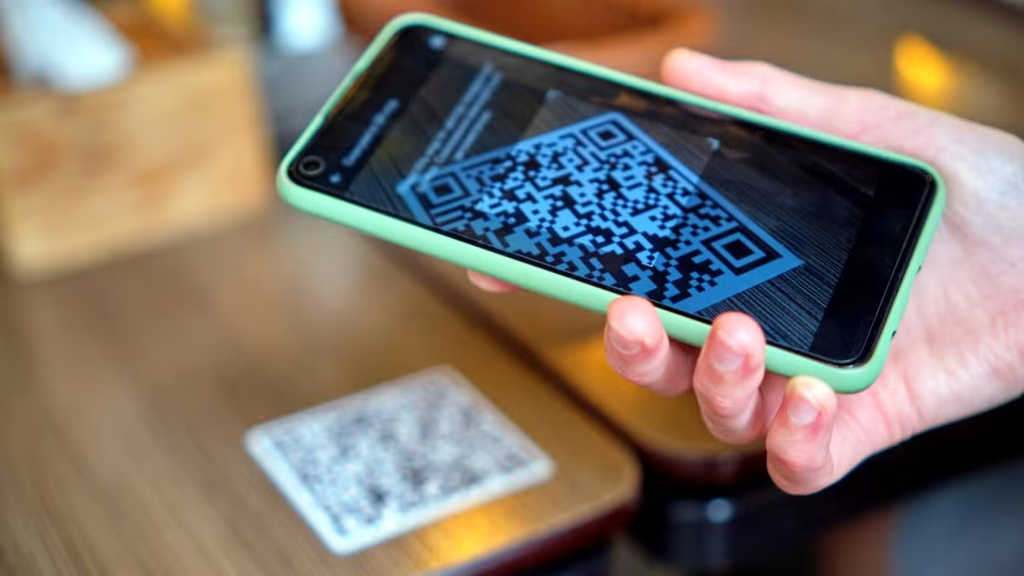
QR code menus made sense during the COVID-19 pandemic, allowing diners to skip touching shared menus. Years later, many restaurants still rely on them, and it often feels like a downgrade.
Printed menus have weight and presence—you can flip them open, pass them to a friend, and stay fully present. QR menus pull you back into your phone, where scrolling through apps interrupts the shared dining experience.
Worse, they give restaurants an easy way to tweak prices on a whim. Printed menus felt stable and final; QR codes feel fleeting and impersonal.
Killing the Disc Drive
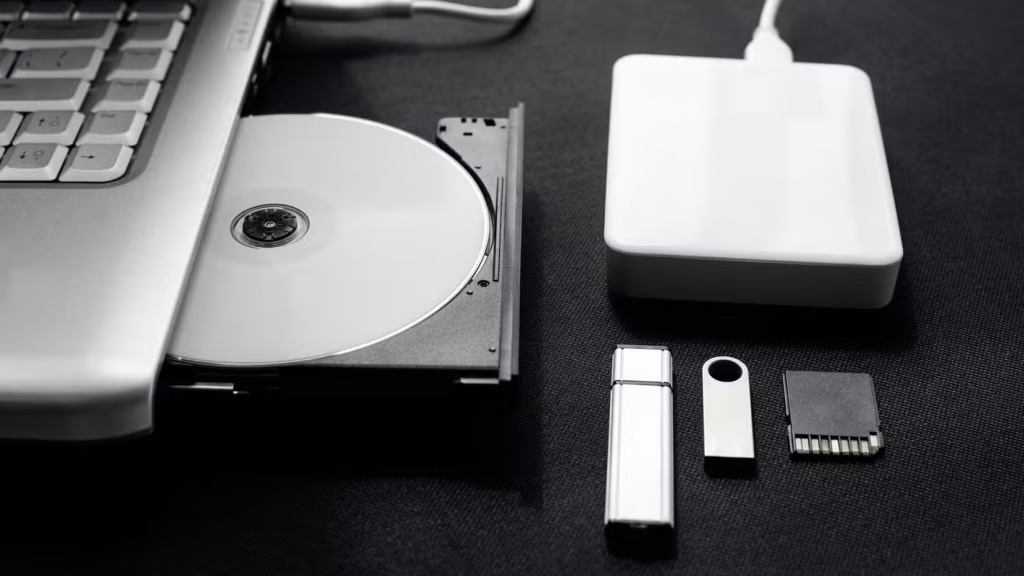
Laptops once included disc drives, letting you easily install software or access DVDs and CDs. Then manufacturers began shaving millimeters off designs—and the drives disappeared.
Now, physical media requires clunky external drives that clutter your desk. Skip that, and your options shrink: hunt for a risky rip, repurchait’sigitally, or hope it’s on a subscription you already pay for.
Installing software, once as simple as dropping in a disc, now means long downloads, bloated installers, and drained batteries—hardly worth the hassle for a laptop that’s just a few millimeters thinner.
AI in Search Engines
Five years ago, searching online felt like an exploration—you typed a query and sifted through links to find your answer. Today, AI in search engines delivers authoritative summaries at the top of the page, flattening the experience and reducing diverse perspectives into a single blurb.
AI isn’t flawless, as is the case with Google’s AI, which once suggested putting glue on pizza. Such hallucinations highlight its unreliability.
Meanwhile, the internet increasingly pits users against ads, algorithms, and manipulative layouts. Searching for a product often means wading through sponsored clutter before reaching what you actually want.
The Subscription Creep
Subscriptions once felt reasonable—magazines, cable, maybe Netflix. Now, nearly every corner of tech seeks another monthly fee for features that were once included.
Even basic apps demand subscriptions. One alarm clock app charges a monthly fee for “premium,” but “premium” isn’t precisely what it seems.
Games aren’t exempt either. Console makers now charge for online, even after you’ve bought the console, the game, and paid for internet.
The car industry also jumped on the bandwagon. BMW and Mercedes toyed with subscriptions for heated seats and horsepower—features already built into your car, so much for an upgrade.

Reels and Algorithmic Feeds
Social media once let you follow people and see their posts—your feed, your control. Today, algorithms dictate what appears, prioritizing engagement over connection.
Reels are the clearest example. These addictive, bite-sized videos dominate the gut they’re discovery, but they’re basically a slot machine for attention. Meanwhile, posts from friends and communities you actually care about get buried under viral fluff.
Touchscreens in Cars
Sleek, screen-heavy dashboards may look futuristic, but on the road, they pose a hazard. Physical knobs allow you to adjust temperature or volume without taking your eyes off the road, while touchscreens require focus and patience.
Reports show that drivers can take up to 20 seconds to complete basic tasks, such as changing AC settings, which is essentially driving blind for that time. That’s nearly as risky as driving under the influence.
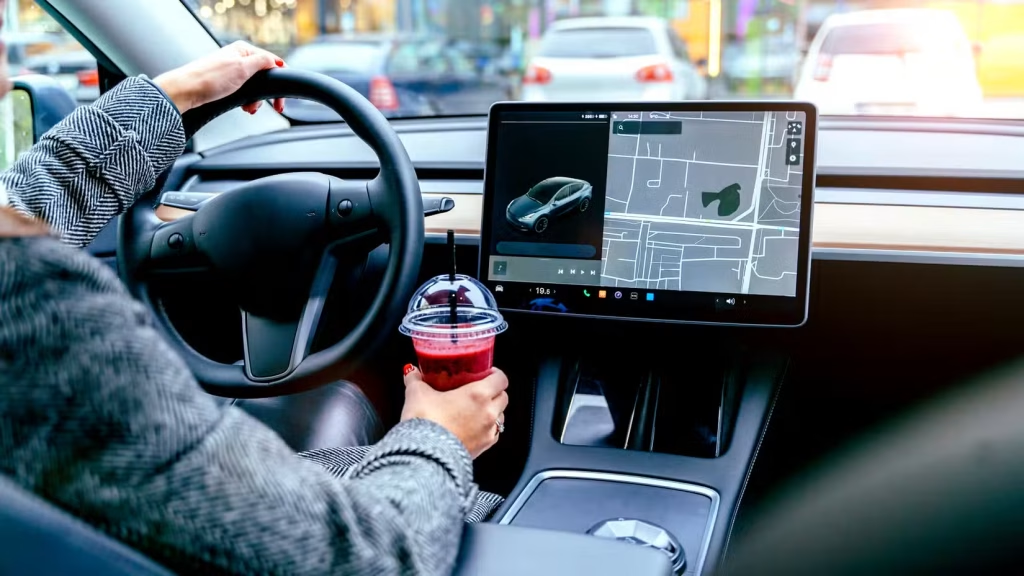
The trend is shifting: starting in 2026, Euro NCAP will award top safety ratings only to cars equipped with physical controls for essentials such as indicators, hazard lights, and wipers. Online forums show drivers agree—bring back the knobs.
Frequently Asked Questions
What are the 7 tech upgrades that made things worse?
The article highlights common tech changes that often backfired, including smart appliances, QR menus, the removal of disc drives, AI in search engines, subscription creep, social media algorithm changes, and the use of touchscreens in cars.
Why do “upgrades” sometimes make things worse?
Upgrades are often designed for novelty or profit rather than practicality. They can add complexity, reduce reliability, invade privacy, or disrupt user habits that previously worked well.
Are smart appliances really problematic?
Yes. Many smart devices include unnecessary features, require constant updates, and sometimes act as surveillance tools, all while being less durable than traditional versions.
How have QR menus impacted the dining experience?
While QR menus initially reduced contact during the COVID-19 pandemic, they often draw diners into their phones, disrupt social interaction, and enable restaurants to change prices digitally at any time.
Why is removing disc drives considered a downgrade?
Eliminating disc drives forces users to rely on external drives or downloads, complicating software installation and media access for those who still use physical media.
How has AI changed online search?
AI in search engines often provides a single “authoritative” answer, reducing diverse perspectives and sometimes producing incorrect or misleading information.
What is subscription creep, and why is it frustrating?
Subscription creep refers to the proliferation of monthly fees for services or features that were once included for free, such as basic apps, online gaming, or even car features.
Conclusion
Not every upgrade delivers progress. From smart appliances and QR menus to AI-driven search and touchscreen dashboards, many modern “improvements” prioritize novelty, profit, or aesthetics over practicality, reliability, and user experience. Sometimes, simpler, older solutions—such as physical controls, printed menus, or traditional software—work better and last longer. Recognizing when technology truly enhances life versus when it complicates it can help you make smarter choices and avoid falling for upgrades that create more problems than they solve.