


Generative AI is advancing rapidly, making it harder than ever to tell if you’re interacting with a human or an AI. In recent years, AI-generated images and videos have evolved so much that the most realistic examples closely mimic real-life content.
How to Spot AI-Generated Videos
AI-generated videos are now everywhere—from YouTube to TikTok—making it essential to recognize when content is created by artificial intelligence. As video becomes a leading source of information, spotting what’s real versus AI-generated helps protect against misinformation.
While AI continues to improve, several clear signs still reveal when a video is machine-made. These clues aren’t foolproof, but for now, they remain useful for detecting AI content.
Read More: Enhance Your YouTube Music Experience with These Desktop Apps
Impossible Physics
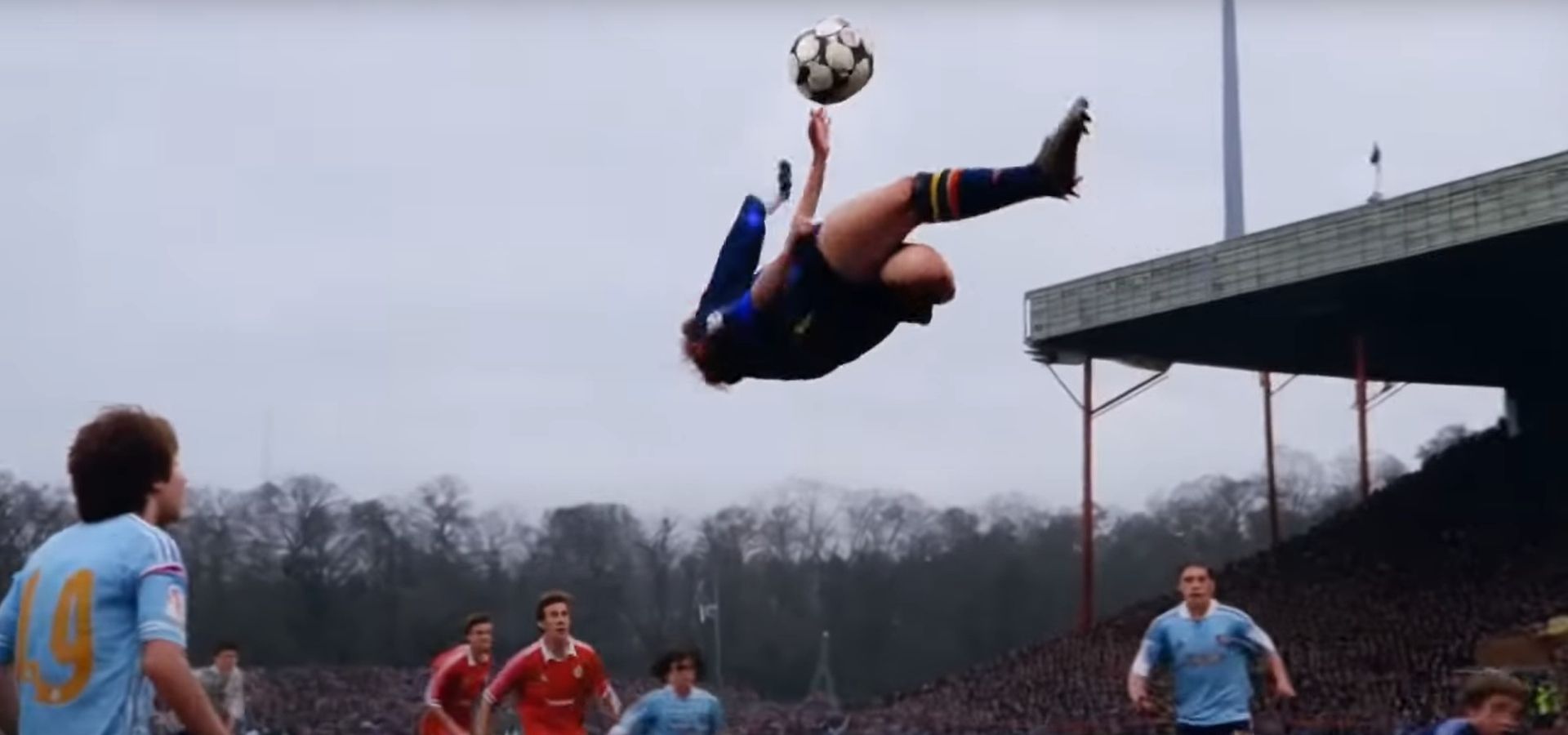
A key sign a video is AI-generated is when actions break the laws of physics. While special effects sometimes bend reality intentionally, AI videos often show unintentional errors.
Examples include objects moving without force, people jumping unrealistically high, or liquids acting like solids. These glitches happen because AI models rely on data patterns, not a true understanding of real-world physics.
Bad Transitions Between Scenes
Poor scene transitions are a common giveaway in AI-generated videos. While some bad examples are laughably obvious, even subtle glitches can reveal the truth. Watch for objects or people morphing unnaturally—something that wouldn’t happen in real life.
Abrupt or illogical cuts between scenes also stand out. Human editors aim for narrative flow, but generative AI often stitches frames without context unless guided by highly detailed prompts. This lack of continuity exposes the limitations of frame-by-frame AI video generation.
Human Movements/Expressions

Human expressions remain one of the clearest signs that a video is AI-generated. We’re naturally tuned to facial cues, so even small glitches stand out. Generative AI still struggles to capture the complexity of real emotions and subtle movements.
In AI videos, the flaws show up in jerky motions, stiff limbs, twitchy mouths, rapid eye blinks, or sudden shifts in facial expressions. These unnatural behaviors quickly signal that something isn’t right.
Visual Background Noise
AI-generated videos often neglect background details, focusing instead on the main subject. That’s why examining the background can help you spot fakes. Look for visual glitches like flickering textures, blurry patches, tearing, or shifting objects that don’t make sense.
Creators typically prioritize the subject, while AI models struggle to render consistent, clean backgrounds. You might notice trees wobbling, textures that change mid-frame, or artifacts that appear inconsistently—clear signs the video was made with AI.
Mismatches in Actions and Emotions
When the subject is human, mismatched emotions are a strong sign that a video is AI-generated. If someone faces danger but smiles casually, that emotional disconnect signals something’s off. These subtle misalignments are common in AI content.
While AI can broadly replicate people and actions, it often fails at syncing facial expressions with context, like lip movements or emotional shifts. That’s because AI lacks real understanding, relying only on data patterns, not genuine human nuance.
Nonsense Sequences
Nonsense sequences are another clear giveaway of AI-generated videos. These are scenes that defy logic or leave you wondering why something is happening. If a video’s narrative makes no sense, there’s a strong chance AI created it.
Think of the infamous “Will Smith eating spaghetti” clip—an exaggerated, surreal version of reality. Or Gordon Ramsay cooking while setting everything around him on fire. These bizarre, illogical sequences often reveal the limitations of AI’s understanding of coherent storytelling.
Frequently Asked Questions
What are the most common signs a video is AI-generated?
Look for unrealistic physics, odd facial expressions, illogical scene transitions, inconsistent backgrounds, emotional mismatches, and nonsense sequences. These are the most frequent red flags.
Why do AI-generated videos often contain visual glitches?
AI models create videos frame by frame using data, not a true understanding. This often leads to visual inconsistencies like flickering textures, warped backgrounds, or twitchy movements.
Can AI-generated videos accurately show human emotions?
Not yet. AI struggles with subtle emotional cues, often mismatching facial expressions with context, leading to unnatural or inappropriate reactions in videos.
What makes AI video transitions look off or strange?
Unlike human editors, AI lacks narrative logic. This can result in abrupt or nonsensical scene changes that disrupt flow and confuse viewers.
Are nonsense sequences always a sign of AI-generated video?
Often, yes. When scenes feel illogical—like famous people acting absurdly or events lacking cause and effect—it’s likely the result of generative AI’s lack of real-world understanding.
Can AI-generated videos be completely realistic?
Some advanced models, like Veo 3, are improving rapidly. While they can produce lifelike visuals, subtle giveaways still exist, especially in motion, emotion, and background details.
Conclusion
As generative AI continues to evolve, spotting AI-generated videos is becoming more challenging—but not impossible. By paying attention to unnatural physics, awkward transitions, mismatched emotions, inconsistent backgrounds, and nonsensical sequences, you can still catch the telltale signs. While advanced tools like Veo 3 are closing the realism gap, AI still struggles with nuance, logic, and emotional depth. Staying alert to these subtle clues is key to navigating the digital world and separating authentic content from synthetic creations.