

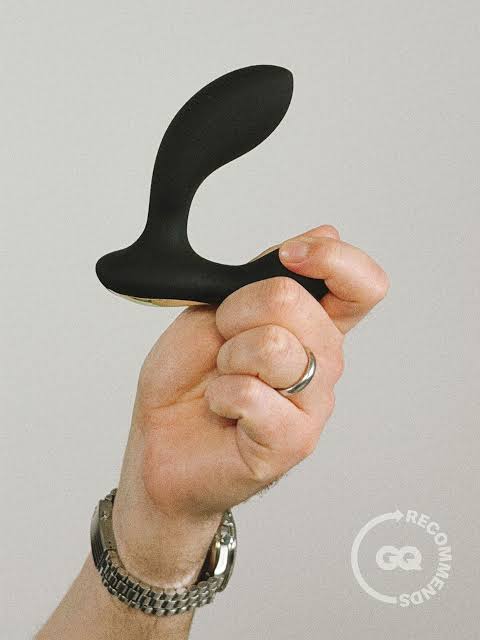
The question of whether prostate massagers work has two quite different answers depending on what you are asking about. For sexual pleasure and wellness, the answer is a clear yes, grounded in straightforward anatomy and widely reported experience. For therapeutic applications, such as relieving symptoms of chronic prostatitis or improving urinary function, the picture is more nuanced: some evidence exists, results vary between individuals, and mainstream medical opinion is cautious but not dismissive. This guide works through both sides of the question honestly, drawing on what current research and clinical guidance actually say.
What Does “Work” Mean for a Prostate Massager?
Before evaluating whether prostate massagers work, it helps to be clear about what working would look like. There are two distinct contexts in which people use them. The first is sexual wellness: using a prostate massager to experience pleasure, enhance orgasm, or explore a sensitive erogenous zone. The second is health-related: using prostate massage to relieve symptoms of chronic prostatitis, benign prostatic hyperplasia, or pelvic floor dysfunction. These are genuinely different questions with genuinely different answers, and conflating them leads to either overstating or understating what prostate massagers can do.
Do Prostate Massagers Work for Sexual Pleasure?
For sexual stimulation and pleasure, prostate massagers work clearly and consistently, and the reason is anatomical rather than anecdotal. The prostate gland sits a few centimetres inside the rectum along the anterior wall, in a region exceptionally well supplied with nerve endings. This concentration of sensory tissue is why stimulation of the area produces intense physical sensation, and why the prostate is described in sexual health literature as the male equivalent of the G-spot. What prostate massagers do differently from general anal toys is apply targeted pressure to this specific location. Their curved, angled design is optimised to reach the anterior rectal wall and make sustained contact with the prostate during use. Vibrating versions add motorised stimulation on top of that pressure. For many people who use them, the result is stimulation that produces sensations distinct from any other sexual experience, including orgasms that some describe as deeper or more whole-body in character.
The evidence base here is primarily experiential rather than clinical, but it is extensive and consistent. The anatomical explanation for why stimulation of this area feels the way it does is well understood, and subjective reports of prostate massager users align with what the anatomy would predict. Sexual wellness is a recognised component of overall health, and for this purpose prostate massagers work in a clear and well-founded sense.
Do Prostate Massagers Work for Health Conditions?Chronic Prostatitis and Pelvic Pain
Chronic prostatitis and chronic pelvic pain syndrome are among the most difficult conditions in male urological health to manage. They cause persistent pelvic pain, urinary symptoms, and sexual discomfort, and they respond inconsistently to pharmaceutical treatment. It is in this context that prostate massage has the most clinical history and the most research attention.
Prostate massage was a standard first-line treatment for prostatitis throughout the early and mid-twentieth century, before antibiotics became widely available. Its use in clinical practice declined as pharmaceutical options expanded, but interest has returned as researchers look for complementary approaches to conditions that do not resolve reliably with medication alone. A 2006 study published in The Journal of Urology found that men with chronic prostatitis who received prostate massage in combination with antibiotics experienced greater symptom improvement than those receiving antibiotics alone. The proposed mechanism is that massage helps drain accumulated prostatic fluid and inflammatory secretions from congested ducts, and may improve the penetration of antibiotics into prostate tissue. Medical News Today notes that patients with chronic prostatitis may attend prostate massage sessions two to three times per week during the first month of treatment, reducing frequency as symptoms improve.
The limitations of this evidence are real and worth acknowledging. The studies are generally small. Clinical guidelines have not established prostate massage as a standard treatment. The Cleveland Clinic is direct in noting that there is insufficient evidence to support prostate massage as an effective medical therapy and that conditions like prostatitis can often be managed with established treatments including antibiotics and anti-inflammatory medications. The balanced view is that prostate massage, including through at-home devices, may offer complementary benefit for some people with chronic prostatitis, but should not replace medical assessment and treatment.
Benign Prostatic Hyperplasia
Some men with BPH report temporary improvement in urinary symptoms following prostate massage, and a small number of older studies suggested short-term symptomatic relief. The proposed mechanism is that massage improves circulation and helps express accumulated fluid, temporarily reducing the pressure the prostate places on the urethra. However, there is no robust evidence that prostate massage reduces prostate size, which is the structural factor underlying most BPH symptoms. Anyone experiencing BPH symptoms should have them evaluated by a urologist, as effective treatments including medication and in some cases surgical procedures exist. Prostate massage is not a substitute for that care.
Erectile Dysfunction and Sexual Function
Some proponents suggest prostate massage may help with erectile dysfunction or painful ejaculation by reducing pelvic floor tension and improving circulation in the prostate region. The evidence for this specific application is weak. The Cleveland Clinic physician Dr. Bajic has noted there is no clear evidence that prostate massage provides medical benefit for erectile dysfunction, and that ejaculation itself expresses prostatic fluid more efficiently than manual massage. The relationship between prostate health and erectile function is real and documented, but prostate massage is not a proven intervention for ED.
As a Clinical Diagnostic Tool
One area where prostate massage clearly works, and is accepted as such in clinical medicine, is as a diagnostic tool. Clinicians use prostate massage to collect expressed prostatic secretion, the fluid released when the prostate is gently stroked. This fluid is then analysed under a microscope to identify signs of inflammation, infection, or bacterial growth, which helps determine the type of prostatitis present and guides treatment decisions. This diagnostic application of prostate massage is established, reliable, and widely used, and it represents the most clearly evidence-supported use of the technique in medical practice.
What the Research Actually Says: An Honest Summary
Pulling together the evidence gives a picture more nuanced than either enthusiastic advocates or sceptical clinicians tend to present. For sexual pleasure and wellness, prostate massagers work well and are backed by clear anatomical reasoning and consistent experience. For chronic prostatitis, there is genuine preliminary evidence of benefit when used as a complement to standard treatment, though this falls short of establishing prostate massage as a standalone therapy. For BPH, temporary symptomatic relief is possible but structural benefit is not proven. For erectile dysfunction, the evidence is too limited to support reliable claims. The balanced view, shared by sources including Medical News Today and Healthgrades, is that prostate massage may be a useful complementary tool in selected cases, particularly for chronic pelvic pain that responds inconsistently to medication alone. It is not a replacement for medical assessment.
Who Are Prostate Massagers Actually For?
Thinking clearly about who prostate massagers are suited to helps cut through some of the confusion in this space. The different groups of users have genuinely different relationships with the question of whether these devices work:
- People interested in prostate pleasure and sexual wellness: prostate massagers work well for this purpose, the anatomical basis is solid, and there is no medical condition required to make this a legitimate use. This is the most straightforward application.
- People with mild chronic pelvic discomfort or tension: using a prostate massager as a self-care complement to medical care may offer some relief, particularly for the kind of chronic non-bacterial prostatitis that responds poorly to antibiotics. This is worth exploring with a doctor’s guidance.
- People with diagnosed prostate conditions including BPH or chronic bacterial prostatitis: always consult a urologist before using a prostate massager therapeutically. It may have a role as a complement to established treatment but should not replace it.
- People with acute bacterial prostatitis: prostate massage must be avoided entirely during an active bacterial infection, as it can cause bacteria to spread into the bloodstream and create a serious medical emergency.
Choosing a Prostate Massager That Actually Delivers
If you decide to explore prostate massage, the design and material of the device make a significant difference to whether it actually works as intended. The single most important design feature is the curve: a prostate massager must have a curved tip angled to reach the anterior rectal wall where the prostate is located. A straight device will not make reliable contact with the gland and will not provide targeted prostate stimulation regardless of how it is used.
Material matters for both safety and hygiene. Glass and crystal are excellent choices for prostate massagers: they are completely non-porous, can be fully sterilised between uses, hold temperature well, and contain no chemical additives. Other appropriate materials include medical-grade silicone and stainless steel. Porous materials including PVC, rubber, and jelly or realistic materials should be avoided as they cannot be adequately cleaned and may contain irritating chemicals. A flared base or retrieval cord is non-negotiable for any device used rectally.
Vibrating options add a layer of motorised stimulation that many users find enhances the experience, both for pleasure and for the gentle rhythmic pressure that is thought to support prostate drainage. Non-vibrating massagers rely on manual movement and may suit those who prefer a more controlled experience. Prostate massagers designed with appropriate curvature, body-safe materials, and the right safety features are the starting point for any meaningful prostate massage experience.
Final Thoughts
Do prostate massagers work? For sexual pleasure and exploration, yes: the anatomy supports it and the experience is consistent. For health-related applications, the answer is more nuanced, promising in certain contexts such as chronic prostatitis as a complement to medical care, but not a proven standalone treatment for most conditions and best approached with medical guidance when a diagnosed condition is involved. Understanding what you are trying to achieve and matching the right expectations to each use case is what allows prostate massagers to genuinely deliver. For a range of carefully designed products suited to both wellness and therapeutic exploration, Onna Lifestyle offers prostate massagers made with body-safe materials and thoughtful design for a safe and effective experience.