

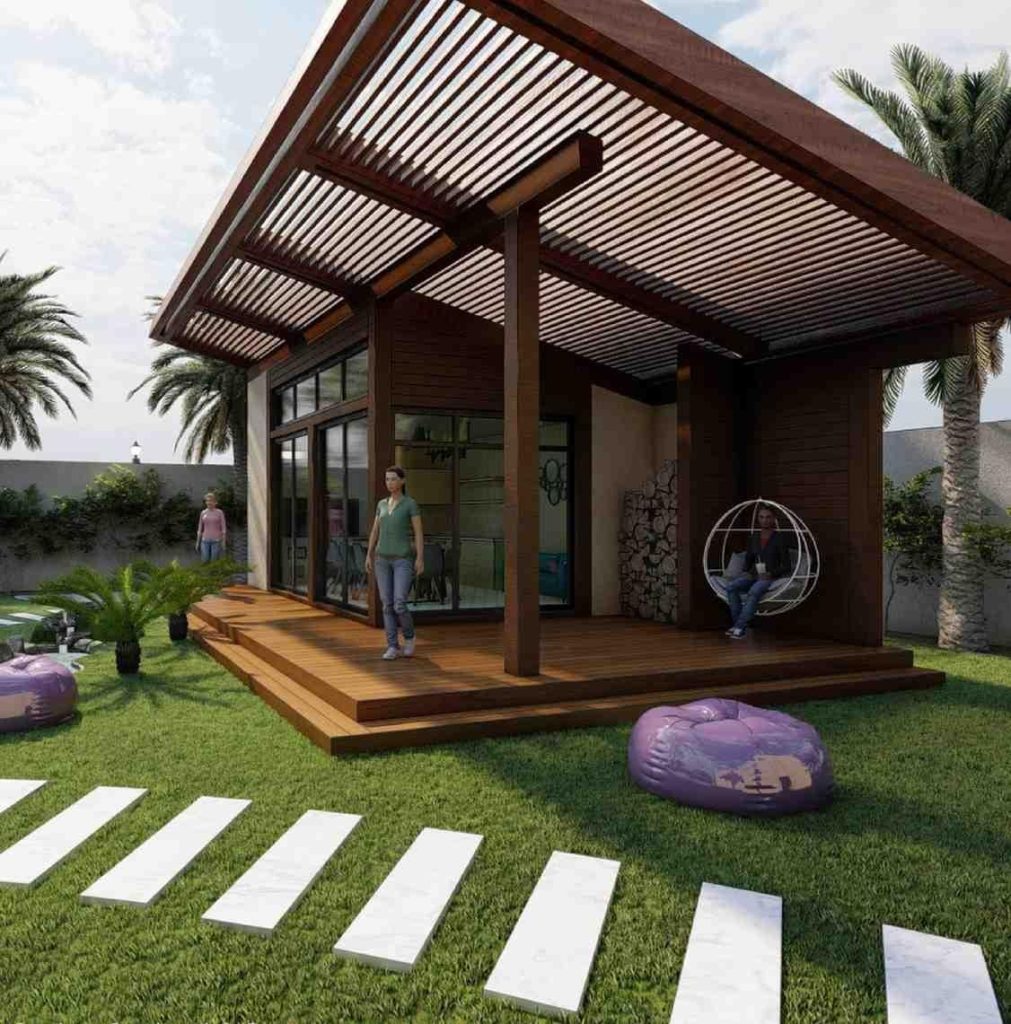
Outdoor spaces are no longer treated as secondary areas, they are now essential extensions of residential, commercial, and hospitality environments. A well-designed garden enhances visual appeal, improves functionality, and creates emotional connections with nature. Professional planning ensures balance, durability, and harmony across all elements, delivering environments that remain visually compelling over time. By combining creativity with technical expertise, designers transform raw landscapes into immersive outdoor experiences guided by thoughtful outdoor design concepts that reflect purpose, lifestyle, and aesthetics.
The Role of Planning in Long-Lasting Garden Design
- Understanding Site Conditions and Environment
Every successful garden begins with a deep understanding of the site. Soil quality, sunlight exposure, wind patterns, and drainage conditions influence plant selection and layout. Professional designers assess these elements carefully to ensure that design choices remain sustainable, resilient, and visually appealing throughout different seasons.
- Aligning Design with Usage and Lifestyle
A garden should serve its users, not just look attractive. Whether the space is meant for relaxation, entertaining, or recreation, professionals plan layouts that accommodate movement, seating, and privacy. This functional alignment ensures the design remains relevant and usable over time.
- Creating a Cohesive Visual Flow
Lasting visual impact depends on harmony. Designers focus on spatial balance, proportions, and transitions between different zones. Pathways, planting layers, and focal points are arranged to guide the eye naturally, creating a seamless experience rather than a collection of disconnected features.
Design Elements That Elevate Visual Appeal
- Strategic Use of Hardscape Features
Hardscape elements such as walkways, patios, and retaining structures provide structure to a garden. Professionals choose materials that complement architecture while offering durability. These elements frame the softer aspects of the landscape and help maintain visual order over time.
- Thoughtful Plant Selection and Placement
Plants are selected not only for beauty but also for growth patterns, maintenance needs, and seasonal variation. Designers layer vegetation strategically, combining textures, heights, and colors to ensure year-round interest without overcrowding or imbalance.
- Lighting as a Design Enhancer
Outdoor lighting adds depth and dimension after sunset. Professionals use subtle illumination to highlight focal points, enhance safety, and create ambiance. Proper lighting design extends usability and reinforces visual impact beyond daylight hours.
How Regional Expertise Shapes Garden Design Success
- Adapting to Climate and Cultural Preferences
Professional designers tailor gardens to suit regional climates and lifestyle preferences. Understanding heat tolerance, irrigation needs, and local design sensibilities ensures long-term sustainability and relevance, especially in specialized environments like garden design in abu dhabi, where climate-responsive planning is essential.
- Selecting Low-Maintenance, High-Impact Solutions
In demanding climates, durability matters. Experts prioritize plant species and materials that thrive with minimal upkeep. This approach ensures the garden retains its appeal without excessive maintenance, making it practical as well as visually impressive.
- Integrating Architecture with Landscape
A garden should complement the surrounding structures. Designers align outdoor layouts with architectural lines, materials, and proportions, creating a unified visual identity that strengthens the overall property aesthetic.
The Importance of Focal Points in Garden Design
- Creating Visual Anchors
Focal points draw attention and provide structure to outdoor spaces. These may include sculptures, feature trees, seating areas, or architectural elements. Professionals position them strategically to create visual hierarchy and guide movement through the space.
- Balancing Open and Enclosed Areas
A well-designed garden balances openness with intimacy. Designers use hedges, screens, and elevation changes to create privacy while maintaining visual flow. This balance enhances comfort and adds depth to the overall layout.
- Encouraging Exploration and Engagement
Thoughtful design invites exploration. Curved paths, layered planting, and varied textures encourage visitors to move through the space, discovering new perspectives and experiences that reinforce lasting visual interest.
Sustainability as a Foundation for Lasting Impact
- Efficient Water and Resource Management
Professional garden design incorporates efficient irrigation systems and sustainable materials. These choices reduce environmental impact while ensuring long-term performance. Smart planning helps gardens remain lush and functional without unnecessary resource consumption.
- Seasonal Adaptability and Longevity
Designers anticipate change. By selecting plants and materials that adapt well to seasonal shifts, gardens maintain their appeal throughout the year. This foresight prevents visual decline and supports long-term beauty.
- Reducing Long-Term Maintenance Challenges
Low-maintenance designs protect visual quality over time. Professionals avoid overcrowding, poor drainage, and incompatible materials, reducing the need for frequent replacements or repairs that can disrupt aesthetic continuity.
Enhancing Emotional and Social Value Through Design
- Creating Spaces for Relaxation and Wellness
Gardens influence mood and well-being. Designers incorporate calming layouts, shaded seating, and natural textures that promote relaxation. These elements transform outdoor spaces into personal retreats that users return to repeatedly.
- Supporting Social Interaction and Entertainment
Outdoor spaces designed for gatherings enhance lifestyle value. Clear circulation, comfortable seating, and adaptable layouts allow gardens to host events without compromising aesthetics or functionality.
- Strengthening Property Identity and Value
A professionally designed garden becomes a defining feature of a property. Its visual impact contributes to brand identity for commercial spaces and increases perceived value for residential developments.
The Role of Water Elements in Visual Impact
- Enhancing Movement and Sensory Experience
Water introduces motion, sound, and reflection, enriching the sensory quality of gardens. Thoughtful water features construction adds a dynamic focal point that elevates visual appeal while creating a calming atmosphere that enhances the overall design.
- Integrating Water Seamlessly into the Landscape
Professionals ensure water elements feel natural rather than forced. Proper scale, placement, and material selection allow features to blend harmoniously with surrounding elements, reinforcing balance and elegance.
- Ensuring Durability and Technical Precision
Expert construction ensures long-term performance. Proper filtration, waterproofing, and structural integrity prevent issues that could compromise aesthetics or functionality over time.
Conclusion
Professional garden design creates lasting visual impact by combining creativity, technical knowledge, and strategic planning. Through thoughtful layouts, sustainable choices, and attention to detail, outdoor spaces become timeless environments that evolve gracefully while maintaining their appeal. Expertly designed landscapes not only enhance aesthetics but also elevate lifestyle, functionality, and long-term value.
The Gardenian specializes in crafting refined outdoor environments through customized landscape planning, premium materials, and expert execution. Their approach blends creativity with precision to deliver visually striking and sustainable garden solutions.