
A raccoon attack is frightening enough. For a 91-year-old man, what followed was a second shock: the rabies vaccine he urgently needed was not covered by his insurance, leaving him facing bills of hundreds of dollars for treatment that doctors consider non-negotiable. Rabies is almost invariably fatal once symptoms appear, which makes post-exposure vaccination one of the few true must-treat situations in medicine. His case exposes an uncomfortable gap between that medical certainty and the American insurance system’s fine print.
Rabies post-exposure prophylaxis (PEP) is a series: immune globulin plus a course of vaccine doses over two weeks, often administered through emergency departments, where facility fees multiply the cost. In the United States, full PEP can run from around a thousand dollars to well over ten thousand depending on where it is given — for a treatment the Centers for Disease Control and Prevention recommends be started promptly after any plausible exposure. Coverage gaps arise from plan design, network rules and the classification of preventive treatment, and they land hardest on older patients navigating Medicare-adjacent plans.
Why Raccoons, and Why the Urgency
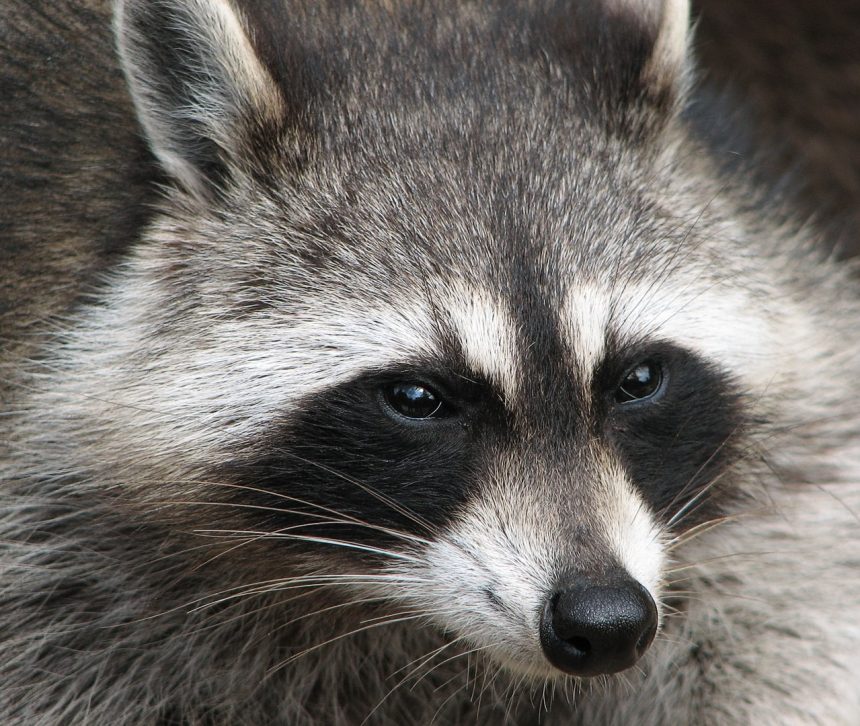
Raccoons are among the principal rabies reservoir species in the eastern United States, and an unprovoked attack by one is treated as a serious exposure risk. Rabies travels slowly along nerves toward the brain, which is precisely why vaccination after exposure works — the immune system can intercept the virus during its long incubation. But the window is a one-way door: once symptoms begin, survival is extraordinarily rare. Public-health guidance is therefore uncompromising — wash the wound, seek care immediately, and complete the series. More explainers like this live in our health section.
The Coverage Maze Patients Face
The frustrating detail in cases like this is that nobody involved disputes the treatment’s necessity. The dispute is administrative: which benefit category pays, whether the setting was in-network, whether the product used was the covered one. Patient advocates recommend asking the hospital about financial assistance and itemised billing, appealing denials with the treating physician’s documentation of medical necessity, and contacting state insurance regulators when appeals stall. Health systems can also help by routing PEP through outpatient clinics rather than emergency departments where clinically appropriate, cutting costs dramatically.
Public-health experts quoted in coverage by the World Health Organization’s rabies programme note that cost barriers to PEP are a global problem with a body count; the U.S. version is simply better disguised. A 91-year-old who did everything right — surviving an attack and seeking immediate care — should not be punished by paperwork. Until coverage rules catch up with medical reality, his story is the warning every patient should hear before they need it.
What Reform Could Look Like
The policy fixes are not mysterious. Rabies PEP is a textbook case for first-dollar coverage: a time-critical, protocol-driven treatment for a universally fatal disease, with no discretionary element to police. Some states and health systems already treat it as a public-health service, coordinating through health departments that stock vaccine and absorb costs as disease control — which, epidemiologically, is exactly what it is. Every untreated exposure risks a public-health emergency vastly more expensive than the vaccine series. Insurers, for their part, face a reputational arithmetic that cases like this one make vivid: the savings from a denied claim are trivial beside the story of a 91-year-old billed for surviving. Until coverage policy formalises what medicine already knows, clinicians advise patients to do two things after any animal attack: start treatment immediately, because the virus will not wait for an appeal — and keep every document, because the appeal will come.