

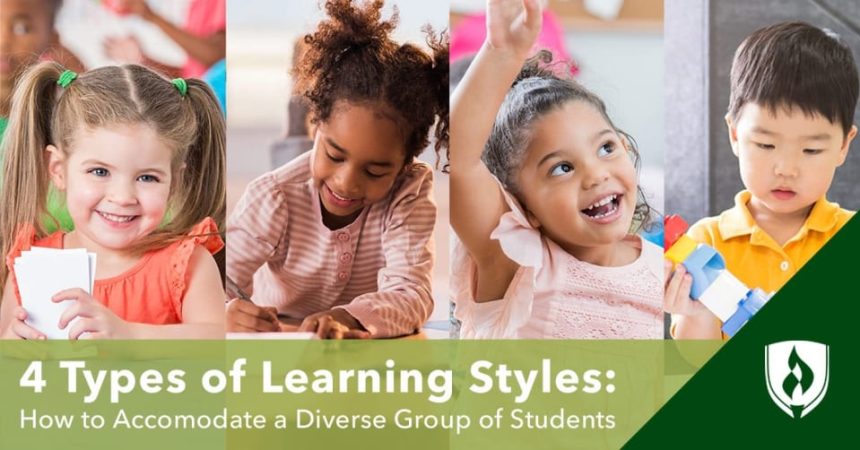
Every child learns differently. Some absorb information best by listening, others by doing, seeing, or discussing. As a parent, understanding your child’s learning style can make a huge difference in how you support them academically. While no child fits perfectly into one category, recognising their preferred ways of learning can help you guide homework, revision, and everyday learning more effectively.
Here’s a simple breakdown of the main learning styles, and how you can use them to support your child’s success at school.
1. Visual Learners
Visual learners understand information best when they see it.
Common Traits
- Enjoy diagrams, pictures, and charts
- Prefer written instructions
- Have strong visual memory
- Benefit from colour coding and organisation
How to Support Them
- Use mind maps, posters, and diagrams to explain ideas
- Highlight key points in different colours
- Let them watch educational videos
- Encourage them to draw or doodle while learning
2. Auditory Learners
Auditory learners learn most effectively through listening and speaking.
Common Traits
- Remember information better when it’s explained aloud
- Like discussions and verbal instructions
- May enjoy music, rhythm, or reading aloud
- Benefit from storytelling
How to Support Them
- Encourage them to talk through homework problems
- Use educational podcasts or audio books
- Ask them to teach you what they learned
- Let them study by recording and replaying their notes
3. Kinaesthetic (Hands-On) Learners
Kinaesthetic learners thrive when they can move, touch, and do.
Common Traits
- Prefer hands-on activities
- Enjoy practical tasks like building, experimenting, or role-play
- May find it hard to sit still for long periods
- Learn best through trial and error
How to Support Them
- Use physical objects to explain concepts (e.g., counters for maths)
- Incorporate movement into study, like pacing or using gesture
- Encourage science experiments, crafts, or interactive games
- Break homework into short, active chunks
4. Reading and Writing Learners
This group learns best through words, particularly through reading and writing.
Common Traits
- Enjoy books, lists, and written tasks
- Prefer taking notes
- Learn well from textbooks and worksheets
- Often strong in spelling and vocabulary
How to Support Them
- Provide lined notebooks or digital note-taking apps
- Encourage summarising topics in their own words
- Use written quizzes or flashcards
- Let them rewrite notes to reinforce learning
Why Learning Styles Matter
Understanding how your child learns can:
- Make homework less stressful
- Boost their confidence
- Improve memory and understanding
- Encourage independence
- Help them enjoy learning rather than fear it
While schools use a combination of teaching methods, extra support at home that matches your child’s preference can make a real difference.
A Balanced Approach Is Best
It’s important to remember that children are flexible, they can benefit from all learning styles. The goal isn’t to limit them to one category but to use their strengths while exposing them to other ways of learning. This balanced approach helps them adapt to different teaching methods as they move through school.
When you understand how your child learns, you’re better equipped to support their educational journey. Whether they learn best by seeing, hearing, doing, or writing, simple adjustments to how you review homework or explain new ideas can have a long-lasting impact.
By recognising and nurturing your child’s unique learning style, you help them build confidence, enjoy school more, and achieve their full potential.