

Malaria remains one of the deadliest diseases on the African continent, disproportionately affecting children under five. For decades, medical advancements have struggled to keep pace with the urgency of protecting the most vulnerable—especially newborns and young infants.
However, that may soon change. Africa is on the cusp of approving the first malaria drug designed specifically for this delicate age group. The drug, developed to address the unique needs of neonates and infants weighing under 5 kg or younger than six months, marks a pivotal step in the continent’s fight against malaria.
Approval is expected within weeks, representing a major public health milestone that could save hundreds of thousands of lives annually. This article explores the journey toward this achievement, the science behind the drug, and the life-changing impact it promises to bring.
More Read: American Diet Linked to Alarming Surge in Colon Cancer Rates
The Unmet Need: Malaria and Africa’s Youngest Victims
Malaria kills more than 600,000 people every year, with over 90% of cases and deaths occurring in Africa. A significant portion of these deaths occur in children under five, and even more so in newborns and infants in their first year of life. The approval of a tailored drug directly addresses this dangerous gap.
Historically, newborns were believed to be somewhat protected from malaria due to maternal antibodies and fetal hemoglobin. But recent data suggests this protection is limited and temporary. Moreover, newborns with low birth weights or premature delivery are more susceptible to infection, with severe outcomes if not treated quickly.
Until now, no malaria treatment was specifically designed or approved for newborns under 5 kg or younger than six months. Caregivers and health professionals were forced to make do with off-label use of older pediatric formulations, risking under-dosing or adverse effects.
The Breakthrough Drug: What It Is and How It Works
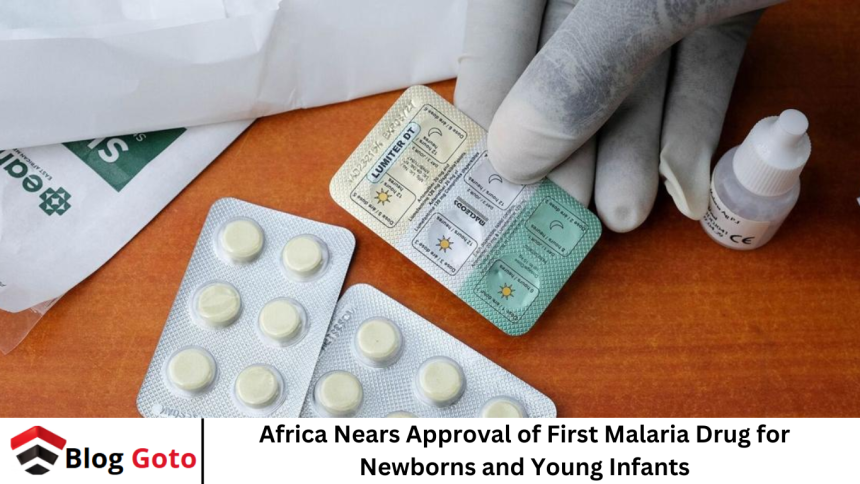
The new malaria treatment—known provisionally as artesunate/amodiaquine (AS/AQ) infant formulation—is a low-dose combination therapy specifically calibrated for neonatal and infant physiology. It is part of the World Health Organization’s push to ensure age-appropriate medicines for all demographics, especially in low-income countries.
Here’s what sets the new drug apart:
Tailored Dosage: Accurate weight-based dosing for infants under 5 kg, minimizing the risk of toxicity or under-treatment.
- Easy Administration: A dispersible tablet form that dissolves easily in water or breast milk, ensuring ease of delivery and compliance.
- Fast-Acting: Combines fast-acting artesunate with longer-lasting amodiaquine, killing the malaria parasite swiftly and reducing the chance of recurrence.
- Shelf-Stable: Designed to be stored without refrigeration, which is crucial for rural African clinics without reliable electricity.
The development was led by the Medicines for Malaria Venture (MMV) and its partners in response to the pressing need for an infant-friendly malaria treatment. Trials showed positive results in efficacy, safety, and caregiver acceptance.
Clinical Trials and Safety Evaluations
Drug development, especially for vulnerable populations like newborns, undergoes rigorous safety assessments. For the AS/AQ infant formulation, clinical trials were conducted in several African countries, including Ghana, Nigeria, and Burkina Faso.
Key findings from the trials:
- Efficacy: The drug showed high cure rates comparable to standard pediatric treatments used for older children.
- Tolerability: Side effects were minimal and manageable, with no severe adverse events attributed to the drug.
- Bioavailability: The dispersible formulation provided consistent and predictable absorption in infants.
- Caregiver Feedback: Mothers and healthcare workers appreciated the ease of preparation and dosing.
The trials adhered to Good Clinical Practice (GCP) and were reviewed by local and international ethics boards. Results have been submitted to regulatory authorities across Africa for fast-track approval.
Expected Approval and Distribution Timeline
Approval for the AS/AQ infant formulation is expected within weeks from leading African regulators, including those under the African Medicines Regulatory Harmonization (AMRH) initiative. Once approved, the rollout will likely begin in high-burden countries.
Timeline Overview:
- Q3 2025: Final approval from first group of national regulatory authorities.
- Q4 2025: First shipments to public health programs, NGOs, and humanitarian agencies.
- 2026 Onward: Widespread availability via public sector distribution and partnerships with UNICEF, WHO, and the Global Fund.
Countries are already preparing training programs for health workers on the safe use and administration of the new treatment. Integration into existing malaria protocols is underway.
Potential Impact on Infant Mortality and Public Health
This new drug has the potential to dramatically reduce infant mortality across sub-Saharan Africa. Currently, infants under six months who contract malaria often go untreated or are treated with inappropriate medicines.
Projected Impact:
- Reduction in Mortality: Experts estimate the drug could help prevent up to 100,000 deaths annually in newborns and infants.
- Earlier Diagnosis and Treatment: Caregivers may be more inclined to seek help, knowing an effective, approved treatment exists.
- Improved Health Systems: Incorporating this drug into national guidelines may streamline infant care in malaria-endemic regions.
- Lower Long-Term Burdens: Preventing severe malaria in infancy reduces the risk of long-term neurological and developmental complications.
Countries like Nigeria, where malaria is a leading cause of child death, stand to gain immensely from this development.
Global Collaboration: Who Made This Possible?
The success of this malaria drug was made possible through a global coalition of researchers, policymakers, pharmaceutical developers, and nonprofit organizations.
Key Players:
- Medicines for Malaria Venture (MMV): Coordinated development, trials, and global partnerships.
- World Health Organization (WHO): Provided technical guidance and prequalification frameworks.
- Clinton Health Access Initiative (CHAI): Supported operational rollout strategies.
- African Research Institutions: Led country-specific trials and data collection.
- Pharmaceutical Manufacturers: Produced the medicine in WHO-compliant facilities.
This effort is a powerful reminder of what can be achieved through collaborative, needs-driven innovation aimed at neglected populations.
Looking Ahead: Challenges and Opportunities
While the approval and availability of the drug are cause for celebration, real-world success depends on addressing a few remaining challenges:
Challenges:
- Supply Chain Logistics: Ensuring consistent availability in remote and underserved regions.
- Training Healthcare Workers: Proper administration, monitoring, and follow-up care are essential.
- Cost and Sustainability: Even subsidized programs must ensure long-term financial viability.
- Monitoring Drug Resistance: Ongoing surveillance for parasite resistance to AS/AQ remains vital.
Opportunities:
- Community Awareness Campaigns: Educating caregivers on symptoms and early treatment for infants.
- Integration with Immunization Programs: Offering the drug alongside routine neonatal care.
- Catalyzing New Research: Inspiring development of other infant-targeted medications for neglected diseases.
The arrival of this drug is not the finish line but rather a steppingstone toward eliminating malaria in vulnerable age groups altogether.
Frequently Asked Question
Why is this drug significant for newborns and infants?
This is the first-ever malaria treatment specifically developed for babies under 5 kg or younger than six months, a group previously excluded from standard treatments.
How does the drug work?
It combines artesunate (fast-acting) and amodiaquine (longer-lasting) in a dispersible form tailored for infant absorption and safety.
Is the drug safe for newborns?
Yes. Clinical trials showed strong safety and efficacy results, with no serious adverse reactions among treated infants.
When will the drug be available?
Approval is expected within weeks, with the first batches reaching healthcare systems later in 2025.
Who developed the drug?
The drug was developed through a partnership led by Medicines for Malaria Venture, in collaboration with global and African health organizations.
How will it be distributed?
Primarily through public health programs, NGOs, and international partners like UNICEF and the Global Fund.
Can this drug help eliminate malaria?
It’s a significant step forward, especially for reducing infant mortality. While it won’t eliminate malaria alone, it plays a crucial role in a broader eradication strategy.
Conclusion
The impending approval of the first malaria drug for newborns and young infants is a watershed moment in African public health. It closes a long-standing treatment gap, empowers healthcare workers, reassures caregivers, and—most importantly—saves lives. While challenges remain, the collective momentum behind this initiative is undeniable. As Africa nears this historic milestone, the continent is not just treating malaria—it’s rewriting the narrative for its youngest generation, offering them a healthier, stronger start in life.