
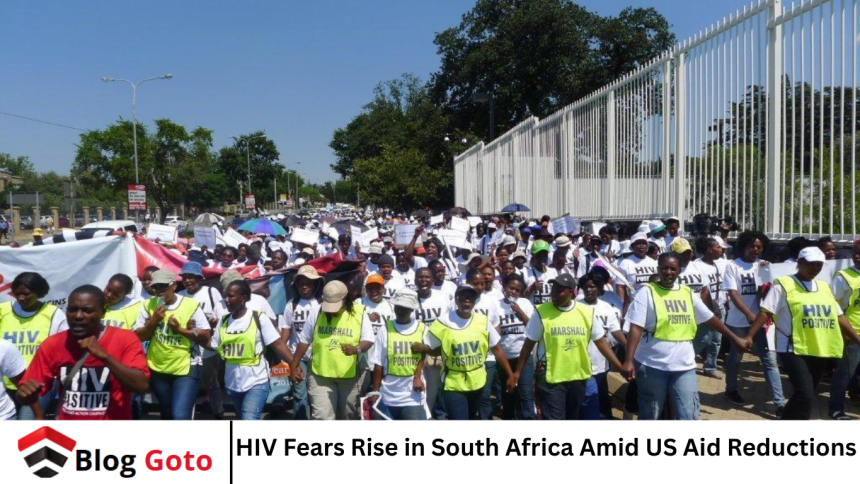
For decades, South Africa has been at the forefront of the global fight against HIV/AIDS. With the highest number of people living with HIV in the world—approximately 7.5 million—South Africa has relied heavily on international aid to bolster its health infrastructure, expand testing and treatment access, and curb new infections.
One of the primary benefactors has been the United States, through the President’s Emergency Plan for AIDS Relief (PEPFAR), which has poured billions of dollars into the country since 2004. But as the US reevaluates and reduces its global aid commitments, cracks are beginning to show.
Recent cuts to HIV/AIDS funding, particularly in South Africa, have sparked fear of a potential resurgence in infections and an erosion of the hard-fought gains made over the past two decades. Healthcare workers, community leaders, and vulnerable individuals alike are sounding the alarm: without sustained financial support, South Africa risks undoing years of progress.
More Read: Measles Eradicated in the U.S. 25 Years Ago—Now Cases Hit a New Peak
The Backbone of HIV Response: PEPFAR’s Role in South Africa
Since its inception, PEPFAR has transformed the landscape of HIV care in South Africa. The US-funded initiative supported everything from antiretroviral therapy (ART) distribution and HIV testing to educational campaigns and data tracking systems. In 2022 alone, PEPFAR supported over 5.5 million South Africans with life-saving ART.
This unprecedented financial and logistical backing helped reduce new HIV infections by more than 50% since 2010 and decreased AIDS-related deaths by 60%. It also funded critical health worker training, mobile clinics in underserved areas, and HIV education programs in schools.
However, this support has come with one significant caveat: long-term sustainability has always depended on South Africa’s ability to eventually take over the reins.
The Cuts: What’s Changing?
In 2023 and 2024, the US government announced a reassessment of its foreign health aid strategies, with a particular focus on streamlining PEPFAR programs globally. South Africa, being the largest recipient, experienced a substantial reduction in its funding allocation—reportedly over $100 million less than previous years.
The rationale behind the cuts includes:
- A desire to push recipient countries toward self-sufficiency.
- Concerns over mismanagement or inefficiencies in localized spending.
- Strategic reallocations to regions deemed “more urgent.”
While these motives may be understandable from a foreign policy perspective, the consequences on the ground in South Africa are already being felt.
Immediate Impacts on Communities and Health Services
Clinic Closures and Staffing Shortages
Many clinics previously operating under PEPFAR support have been forced to scale back operations or shut down entirely. Healthcare workers are being laid off or reassigned, which in turn stretches the capacity of remaining staff.
Interrupted Treatment for Patients
Some patients have reported difficulties in accessing antiretroviral medication on time. Missed doses increase the risk of drug resistance and transmission.
Halted Prevention Programs
Outreach programs targeting high-risk groups—such as sex workers, men who have sex with men (MSM), and injection drug users—have seen sharp cutbacks. Without these interventions, new infections may spike in vulnerable demographics.
Rising Public Anxiety
The broader public, especially those living with HIV, is expressing growing concern. Advocacy groups report increased distress calls and visits to community support centers.
Vulnerable Groups Most at Risk
While the entire population is affected by reduced aid, certain groups are disproportionately impacted:
- Young women and girls: In South Africa, adolescent girls and young women account for a large portion of new infections. With prevention programs slashed, this group is at higher risk.
- Rural populations: US aid helped bring mobile clinics and health outreach to remote areas. As funding shrinks, these communities are often the first to lose access.
- LGBTQ+ individuals: Targeted education and testing campaigns in the LGBTQ+ community were often run by organizations reliant on US funding. Many of these programs are now under threat.
- Sex workers and drug users: Outreach and harm reduction programs have seen drastic cuts, increasing both stigma and vulnerability to infection.
The Response from South African Authorities
The South African government has expressed concern but also emphasized the need for long-term independence from foreign aid. Health Minister Joe Phaahla has reiterated commitments to “absorb as much of the affected services as possible” into national health programs.
However, with ongoing economic challenges, budget constraints, and systemic inefficiencies in the public health sector, full absorption is easier said than done. Critics argue that the government has been slow to build sustainable infrastructure in preparation for this shift, despite repeated warnings.
Global Implications of US Aid Cuts
South Africa is a cautionary tale for what can happen when long-standing aid relationships are suddenly disrupted. The PEPFAR model was once celebrated globally as an example of effective health diplomacy. If its unraveling leads to a reversal in HIV gains, it could discourage future health partnerships and spark distrust in other recipient nations.
Furthermore, a resurgence of HIV in South Africa could spill into neighboring countries. Southern Africa remains the epicenter of the global HIV pandemic, and instability in one country can have regional ripple effects.
Path Forward: Can South Africa Sustain the Fight?
To mitigate the damage and avoid a full-blown public health crisis, several strategies must be urgently adopted:
Domestic Investment
The South African government must prioritize HIV funding in its national budget. Redirecting resources toward health, especially in underserved areas, is critical.
Public-Private Partnerships
Collaboration with local and international NGOs, private healthcare providers, and community-based organizations could help fill gaps left by US funding.
Innovation in Service Delivery
Leveraging digital health tools, decentralized testing, and community-based distribution of ART can optimize limited resources.
Targeted Donor Engagement
While US aid is shrinking, other global donors and philanthropists may step in if the right engagement strategies are adopted.
Strengthening Data Systems
Data-driven strategies can ensure that limited resources are deployed where they are most needed.
Frequently Asked Question
What is PEPFAR, and why is it important to South Africa?
PEPFAR (The President’s Emergency Plan for AIDS Relief) is a US government initiative launched in 2003 to combat the global HIV/AIDS epidemic. South Africa has been the largest recipient of PEPFAR funds, using them to provide antiretroviral treatment, HIV testing, and prevention programs.
Why is the US cutting HIV/AIDS aid to South Africa now?
The US is reassessing its global aid strategies to encourage recipient countries to take more ownership and become self-sustaining. This includes reductions in PEPFAR allocations, especially to countries like South Africa that have shown progress in managing HIV independently.
What are the consequences of these cuts for people living with HIV in South Africa?
Consequences include reduced access to treatment, closure of clinics, suspension of prevention and outreach programs, and increased anxiety among vulnerable populations. These disruptions could lead to increased infections and drug resistance.
Who is most affected by the funding reductions?
The most affected are rural communities, young women, sex workers, LGBTQ+ individuals, and people who use drugs. These groups relied heavily on targeted interventions funded by PEPFAR and are now at greater risk due to service rollbacks.
What is the South African government doing to address the funding gap?
South African authorities have pledged to absorb some of the affected programs into the national healthcare system. However, budgetary limitations and existing challenges in healthcare delivery make it difficult to fully offset the shortfall left by US aid reductions.
Can other donors step in to help?
Yes, there is potential for other international donors, private foundations, and NGOs to fill the funding gaps. However, coordinated efforts and strategic planning are essential to avoid fragmentation and inefficiency.
What can individuals and communities do to help mitigate the crisis?
Communities can advocate for more government support, engage in local awareness campaigns, support community health workers, and push for accountability and transparency in health spending. On a personal level, adherence to treatment and preventive measures remains vital.
Conclusion
South Africa’s battle against HIV/AIDS has been a symbol of hope in global public health. Decades of progress were made possible largely due to unwavering support from initiatives like PEPFAR. But now, as funding recedes, the country faces a critical test: can it sustain and scale its fight against HIV without the same level of international backing? Failure to act swiftly could undo years of success and place millions at risk. But with strategic planning, collaboration, and a renewed sense of urgency, South Africa can weather this storm—and potentially emerge with a more self-reliant, resilient health system.