
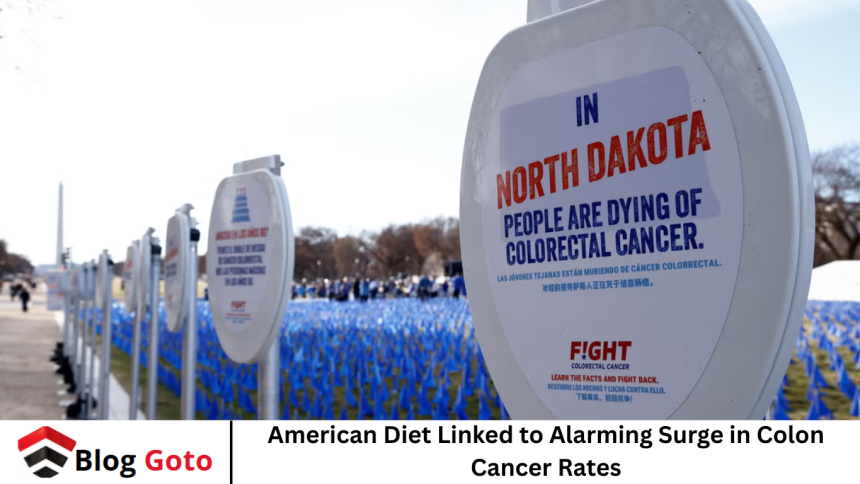
Colon cancer, once considered a disease predominantly affecting older adults, is increasingly being diagnosed in younger populations across the United States. Alarming trends in recent decades have raised serious concerns among medical professionals, Especially as new research links this surge to one of the most central elements of daily American life: the diet.
Highly processed foods, red meat, low fiber intake, and excessive sugar are now being scrutinized as possible contributors to this disturbing development. The question isn’t just what we’re eating—but what it’s doing to us. Colon cancer, once largely confined to older adults, is now striking younger Americans at an alarming rate—and experts are sounding the alarm.
This article takes a deep dive into how the American diet may be fueling the rise of colorectal cancer, explores scientific studies and expert opinions, and examines what changes can be made to combat this growing public health threat.
More Read: U.S. Children’s Health Has Sharply Declined Since 2007, Study Reveals
The Rising Trend: Colon Cancer Is No Longer an “Older Person’s Disease”
Traditionally, colon cancer affected individuals aged 50 and older. However, over the past two decades, a troubling pattern has emerged: more cases are appearing in younger adults, some in their 30s or even late 20s. According to a 2024 report by the American Cancer Society:
- The rate of colorectal cancer in people under 55 has nearly doubled since the 1990s.
- Millennials and Gen Z adults now face a twofold increased risk compared to previous generations at the same age.
- Colorectal cancer is the second-leading cause of cancer-related deaths in the United States.
This spike has left researchers scrambling for answers, and one recurring culprit keeps emerging: the modern American diet.
What’s in the American Diet That Could Be Harmful?
The term “American diet” often refers to the Standard American Diet (SAD), which is characterized by:
- High intake of processed and red meats (e.g., burgers, hot dogs, bacon).
- Excessive consumption of refined carbohydrates and sugars (e.g., soda, white bread, candy).
- Low fiber content due to minimal fruit, vegetable, and whole grain consumption.
- High consumption of saturated and trans fats.
These dietary habits are a far cry from the nutrient-rich, plant-heavy diets seen in populations with lower rates of colorectal cancer, such as Mediterranean or Okinawan diets.
Scientific Evidence Connecting Diet and Colon Cancer
Numerous studies have established a strong link between diet and colon cancer risk:
Red and Processed Meat Consumption
A 2015 World Health Organization (WHO) report classified processed meats as Group 1 carcinogens, the same category as tobacco and asbestos. Red meats were placed in Group 2A—probably carcinogenic to humans.
Lack of Fiber
Fiber acts like a broom for the digestive system, helping remove waste and reducing exposure of the colon lining to carcinogens. Diets low in fiber can prolong the presence of toxins in the colon and increase inflammation.
High Sugar and Refined Carbohydrates
These foods cause blood sugar spikes and promote obesity, which is a known risk factor for many cancers, including colorectal. They may also alter the gut microbiome, leading to a pro-inflammatory environment.
Ultra-Processed Foods
A 2023 study in BMJ Oncology found that people who consumed high amounts of ultra-processed foods were 29% more likely to develop colorectal cancer than those who ate such foods sparingly.
The Role of Gut Health and the Microbiome
Recent studies underscore the importance of gut microbiota in cancer development. The human gut contains trillions of bacteria that aid digestion, regulate immunity, and even influence mood. A diet high in fats and sugars can disrupt the balance of “good” and “bad” bacteria, a condition known as dysbiosis.
In dysbiotic guts:
- Harmful bacteria flourish, producing toxins and inflammatory molecules.
- Protective short-chain fatty acids (like butyrate) decrease.
- Mucosal barriers weaken, allowing carcinogens to damage cells lining the colon.
Maintaining a healthy gut with a diet rich in fiber, probiotics (like yogurt or kefir), and prebiotics (like garlic, onions, and bananas) is essential for colon health.
Why Is This a Bigger Problem in America?
Several lifestyle and cultural factors combine to exacerbate the issue:
- Fast food culture and convenience eating dominate schedules.
- Portion sizes are larger in the U.S. than in many other countries.
- Lack of nutrition education in schools and public health programs.
- Food deserts, where healthy options are limited or unavailable, particularly in low-income communities.
- Aggressive marketing of unhealthy foods to children and teens.
These systemic issues make it difficult for many Americans to maintain a diet that supports long-term health.
What Can Be Done to Reverse the Trend?
Increase Fiber Intake
A high-fiber diet supports bowel regularity, improves gut flora, and reduces inflammation. Aim for:
- At least 25–30 grams of fiber per day.
- Include fruits, vegetables, legumes, nuts, seeds, and whole grains.
Limit Processed and Red Meats
Replace red and processed meats with:
- Lean poultry or fish.
- Plant-based proteins like tofu, lentils, or beans.
Cut Down on Sugar and Refined Carbs
Avoid sugary beverages, pastries, and highly processed snacks. Choose complex carbs like:
- Brown rice
- Oats
- Whole-grain bread
Incorporate Probiotics and Prebiotics
Probiotics help restore healthy gut bacteria. Foods include:
- Yogurt with live cultures
- Fermented foods like sauerkraut and kimchi
Prebiotics nourish existing good bacteria:
- Garlic, asparagus, leeks, bananas, and chicory root
Screen Earlier and More Often
The American Cancer Society now recommends that average-risk adults begin colorectal cancer screening at age 45 (down from 50). High-risk individuals (due to family history or symptoms) may need even earlier screenings.
Voices from the Medical Community
Dr. Alicia Caldwell, an oncologist at the Mayo Clinic, notes:
“We’re seeing younger patients with no family history presenting with advanced-stage colorectal cancer. Diet is a huge part of the equation, and unfortunately, the Western diet is essentially a perfect storm of carcinogenic factors.”
Dr. Raj Patel, a gastroenterologist, adds:
“The best thing people can do to reduce their risk is rethink what’s on their plate. The connection between diet and colon cancer isn’t hypothetical anymore—it’s real, and it’s urgent.”
A Call to Action
The surge in colon cancer isn’t an isolated health issue—it reflects a much broader crisis in how Americans eat, live, and prioritize well-being. While genetics and environment play roles, the evidence overwhelmingly shows that diet is a modifiable risk factor. Changing it won’t be easy, but it may save thousands of lives.
From individual choices to national food policy, there needs to be a seismic shift in the way food is approached in the U.S.—not only to prevent colon cancer but to promote overall health and longevity.
Frequently Asked Question
What foods should I avoid to reduce colon cancer risk?
Avoid or limit processed meats (like bacon and sausages), red meats, sugary snacks, soda, fried foods, and anything heavily processed or low in fiber.
Is fiber really that important for colon health?
Yes. Fiber helps move waste through the digestive tract, feeds healthy gut bacteria, and reduces inflammation. A lack of fiber is directly associated with a higher risk of colorectal cancer.
Can a vegetarian or vegan diet lower my risk?
Plant-based diets rich in fiber, antioxidants, and healthy fats are linked to a significantly lower risk of colon cancer. However, balance and variety are key, whether you’re vegan, vegetarian, or omnivore.
How does obesity relate to colon cancer?
Obesity increases inflammation and alters hormone levels, both of which contribute to cancer development. Excess abdominal fat, in particular, is linked to a higher colon cancer risk.
When should I start screening for colon cancer?
Most guidelines now recommend starting at age 45 for average-risk individuals. If you have a family history or symptoms like rectal bleeding or persistent abdominal pain, talk to your doctor about earlier screening.
Are colonoscopies the only way to screen?
No. There are less invasive options like stool DNA tests (e.g., Cologuard) or fecal occult blood tests. However, a colonoscopy remains the most thorough method for detection and prevention (it can remove polyps on the spot).
What role do supplements like probiotics or fiber pills play?
They can help, especially if your diet is lacking. However, whole foods are generally more effective. Supplements should not replace a healthy diet but can complement it.
Conclusion
The link between the American diet and the rise in colon cancer is no longer just a theory—it’s a data-backed reality. As science continues to reveal the intimate connection between what we eat and how we live, individuals, families, schools, and policy-makers must act. Colon cancer is one of the most preventable cancers when caught early and addressed proactively. The time to make dietary changes isn’t later—it’s now. Eating more plants, cutting down on processed meats and sugars, and prioritizing gut health might seem like small steps.