

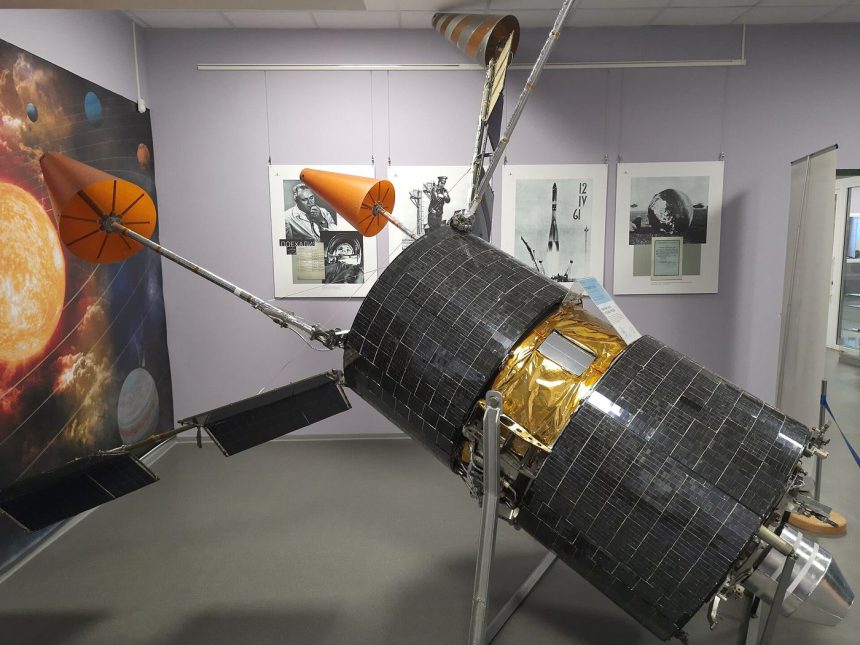
Text messaging from places with no mobile signal is becoming a realistic option for hikers, sailors and rural workers as low-orbit satellite services connect directly with ordinary phones. The first services are deliberately modest, offering short messages, location sharing and emergency alerts rather than full internet access, because a phone antenna and battery can only do so much when the nearest receiver is hundreds of kilometres overhead and moving fast. Even that limited link changes safety planning. A walker who twists an ankle beyond coverage can send coordinates to rescuers, a farmer can confirm a delivery, and families can receive a simple check-in from an expedition that once meant days of silence. Providers are expanding coverage and working through approvals country by country, since spectrum and emergency routing rules differ. Phones need a reasonably clear view of the sky, and messages can take longer under trees, in deep valleys or during busy periods, so experienced users still carry maps and treat satellite messaging as a backup rather than a guarantee. Pricing models are settling, with emergency use often included and casual messaging sold in bundles. The result is a gradual shrinking of the truly unreachable places on the map.
What the Evidence Shows
Rescue organisations cautiously welcome the technology, while warning that an easy SOS button can encourage underprepared trips if people overestimate what a message can do. A text cannot carry a person off a mountain, and responders still need accurate locations, weather windows and time. Clear on-screen guidance helps, confirming that an alert was received and advising the sender to stay put and conserve battery. Battery discipline is the practical skill services emphasise, along with pre-registering emergency contacts before a trip begins. Over time, standards work should let more phone models and networks interoperate, so a message can travel regardless of which satellite fleet happens to be overhead. For remote communities as well as adventurers, even basic two-way messaging from beyond the mobile map offers a meaningful step towards safer, less isolated work and travel. Outdoor retailers expect built in satellite messaging to influence buying decisions much like water resistance once did, moving from a specialist expedition feature towards a standard reassurance for ordinary weekend trips. Reporting and analysis from sources such as IEEE Spectrum track the same developments, and specialists following satellite messaging for remote trails say the direction is now consistent across independent lines of evidence.
The Wider Context
Adoption of satellite messaging for remote trails follows a familiar pattern with an unfamiliar speed. Early users tolerate rough edges in exchange for advantage, mainstream users arrive when the tool disappears into existing workflows, and the market consolidates around whoever made that transition feel effortless. Vendors are racing less on raw performance now than on integration, support and trust.
What Happens Next
The realistic forecast for satellite messaging for remote trails is steady integration rather than sudden replacement: embedded in products people already use, improving in increments, and regulated in proportion to its reach. The companies and institutions that plan on that basis, training staff and redesigning processes instead of chasing launches, are the ones the adoption data tends to vindicate. You can follow related developments in our coverage of technology.
It is also worth remembering how quickly the picture in this area has changed before. Positions that looked settled a few years ago have been revised as new data arrived, and the same humility is appropriate now. The strongest coverage of this subject, and the most useful advice, tends to come from sources that update their views openly when the facts move, rather than defending an earlier position long after it has stopped fitting the evidence available.