

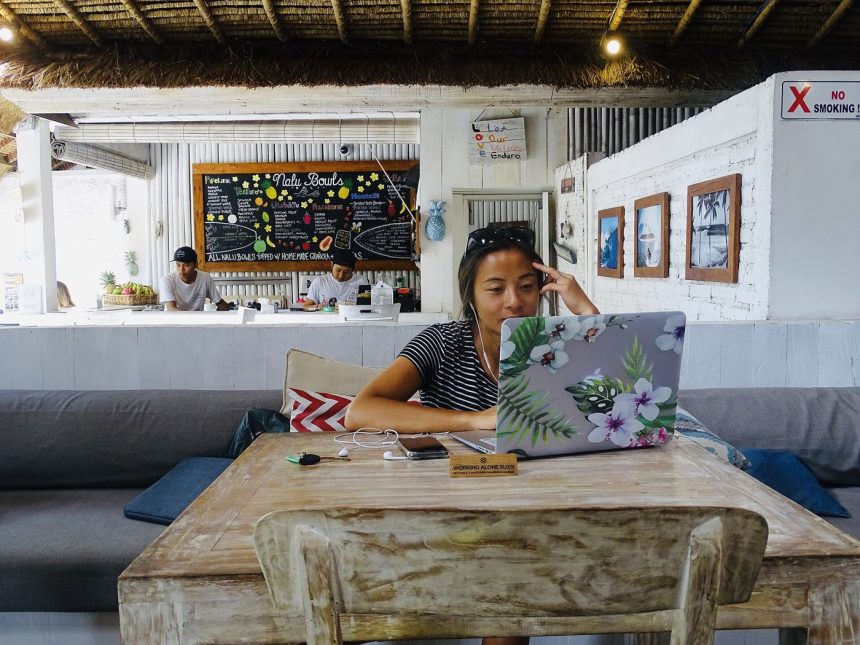
The digital nomad poster — laptop, hammock, improbable sunset — conceals a demanding checklist. Remote work from another country runs on unglamorous infrastructure: fast, stable internet with a backup; time zones that overlap the team’s working day; housing with a real desk; a visa that does not expire mid-project; and a cost of living that makes the arithmetic worthwhile. A handful of destinations have deliberately built that stack, and they are pulling away from the places still selling only the sunset.
The infrastructure that decides
Serious remote workers test a town like engineers. Fibre coverage maps, coworking spaces with generator backup, cafés where laptops are welcome at noon, SIM cards bought at the airport in ten minutes — these decide stays, and word travels fast through nomad communities when a place gets them right. Governments have joined the competition: dozens of countries now offer dedicated remote-work visas, and economic agencies track the spending these long-stay visitors bring — money that arrives without competing for local jobs. Data on the trend is compiled by trackers such as Nomad List, whose rankings weight exactly these practical factors.
The social layer
Infrastructure gets a worker to stay a month; community decides the year. The destinations that deliver have grown the soft infrastructure too — meetups, language exchanges, running clubs, the coworking social calendar that turns colleagues-in-exile into friends. Loneliness is the nomad life’s documented tax, and the winning towns tax it least. Our travel pages grade the rising destinations on the full checklist, not the brochure.
Choosing your base
The veterans’ advice is to rent by the month, work a full ordinary week before judging, and keep the exit cheap. A destination has delivered not when the photographs are beautiful but when the working Tuesday is effortless. The sunset is a bonus; the spreadsheet is the test.
One underreported winner of the remote-work era is the second-tier city everywhere: cheaper than capitals, calmer than resorts, and newly equipped for exactly this life. The map of where knowledge work happens is being redrawn in pencil, town by town — and for the first time in the office’s history, the workers are holding the pencil.
Employers are adapting in parallel: asynchronous handbooks, core collaboration hours and results-based reviews make the geography possible from the company’s side too. The destinations story and the management story are the same story — work reorganising itself around outcomes instead of attendance, and towns competing to host the experiment.
One caution from the veterans: chase the working conditions, not the crowd. The fashionable hub of this year is next year’s overpriced cautionary tale, and the towns quietly building fibre and community are rarely the ones on the magazine covers. The spreadsheet, again, knows before the feed does.