

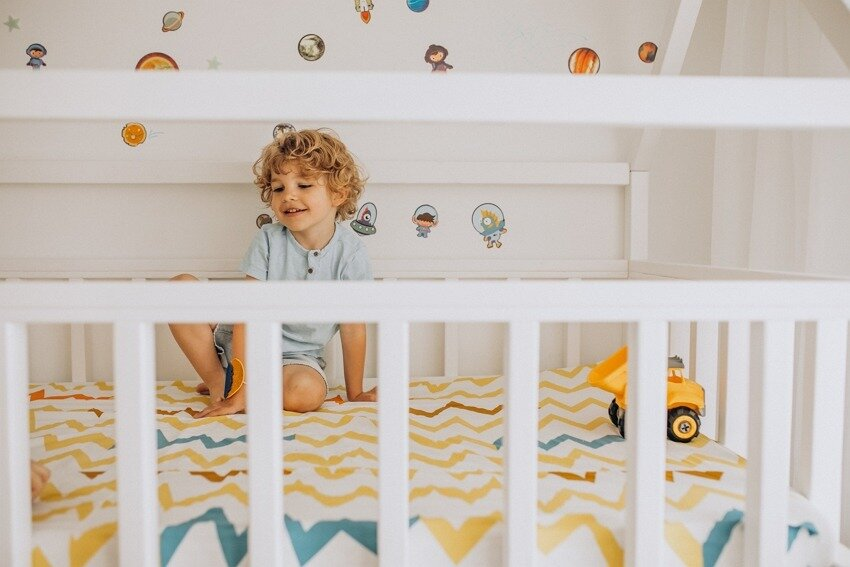
A crib sheet is the heart of your baby’s sleep spot, and getting what a crib sheet really means can totally change how you set up a safe, cozy nursery. Lots of parents google what a crib sheet is when they’re putting together the room, ’cause it helps make sleep safe and sound. Right off the bat, stuff like a firm nursing pillow goes great with it, gives that extra boost for feeding and snuggling, making those tired newborn days a bit easier. Stick around, ’cause we’ll dig into why its simple design makes it a must-have for any parent.
The Basic Purpose and Design of a Crib Sheet
On top of that base, a crib sheet sits right on the mattress as the main layer, all about keeping your baby comfy and safe all night long. What a crib sheet boils down to is pretty simple: it’s that one key piece touching your little one’s skin every night, protecting the mattress and feeling nice against it.
The design’s kept super basic on purpose, for safety and no-fuss changing. Fitted crib sheets got these strong elastic edges that hug the whole mattress tight, so no loose bits bunch up and cause trouble. Plus, those deep pockets, usually 12 inches or more for regular cribs, make sure corners stay put, even when baby’s kicking around in sleep.
Flat sheets with floppy ends or tops? Nah, they can shift and be risky, so fitted ones cut out all that extra stuff. That’s why the experts say keep babies under one just in a diaper and this sheet, lets air flow good and cuts suffocation chances. Take the breathable fabric: it lets air move to keep temps right, and the soft feel is gentle on new baby skin, no itchies.
Everyday wins make what a crib sheet so key:
- Elastic hems that don’t slip, for solid sleep stretches.
- Moisture-wicking to handle drool or little leaks, keeping the mattress dry.
- Neutral colors and patterns that fit any nursery look.
Bottom line, it turns a boring mattress into a trusty safe sleep zone, every parent oughta grab one from day one.
Essential Safety Standards for a Secure Sleeping Environment
Now, safety’s top of mind for every parent, so picking a crib sheet that hits the right standards is a must when you’re sorting out what a crib sheet should be for your setup. The Consumer Product Safety Commission (CPSC) says it gotta fit super tight, no gaps bigger than two fingers, even with all the wiggling and rolling.
Pair it with a firm mattress always, and skip soft stuff, pillows, blankets, or toys till age one; those up the SIDS risk big time. Hunt for labels like Greenguard Gold or Oeko-Tex Standard 100, they check for low chemicals and no nasties. Organic ones dodge pesticides that bug baby skin, and go for untreated cotton to skip flame retardants. Oh, and wash new sheets first to get rid of factory gunk.
Test’s easy: yank hard on the corners, if it don’t budge, you’re good. Real talk from CPSC reports? Loose sheets tied to over 100 baby deaths a year back in the day, so standards ain’t optional. Key checks:
- Pockets over 10 inches deep to grip tight.
- No bows, ties, or fancy bits that could strangle.
- Just one smooth layer, keeping it dead simple and safest.
Do this right, and what a crib sheet turns into a real lifesaver, making your nursery feel like a safe fortress where you can finally relax.
Comparing Different Fabric Materials for Comfort and Durability
Once safety is locked in, fabric choice determines long-term comfort and joy, as materials directly influence what a crib sheet feels like night after night. Cotton reigns supreme for its unbeatable softness and breathability, making it a go-to for most families. Jersey knit cotton, in particular, stretches like a soft T-shirt, offering flexibility without sacrificing fit.
Organic cotton takes it further by skipping harsh dyes and pesticides, enduring hundreds of washes without pilling or fading. For even silkier options, bamboo provides natural wicking and hypoallergenic properties, ideal for allergy-prone babies. Linen delivers crisp coolness in hot climates but wrinkles more readily, while modal (from beech tree fibers) drapes ultra-softly. Microfiber excels in stain resistance for messy phases, though it can trap heat in cooler months.
To help weigh options, consider this comparison:
| Fabric Type | Comfort Level | Durability | Best For |
| Cotton | High | Excellent | All seasons |
| Bamboo | Very High | Good | Sensitive skin |
| Jersey Knit | High | Very Good | Stretchy, snug fit |
| Linen | Medium | Fair | Hot climates |
| Microfiber | Medium | Excellent | Waterproof/stain needs |
Understanding Standard Dimensions and the Importance of a Snug Fit
Dimensions tie directly into compatibility, defining what a crib sheet works with in your specific crib. Standard full-size crib mattresses measure 28 by 52 inches, while mini cribs are typically 24 by 38 inches, always confirm yours for an exact match.
A snug fit is paramount, as even small gaps invite climbing or wedging dangers during those early flips and rolls. Measure mattress depth (usually 5-8 inches) and opt for sheets with deep pockets up to 12 inches for thicker pads from brands like Graco or Delta. Universal “one-size-fits-all” options often disappoint, leading to slippage.
Why it matters hits home quickly: Babies become mobile fast, and loose fabric tangles in seconds. Key sizing tips include:
- Standard full crib: 28×52 inches surface, 5-8 inch deep sides.
- Check the mattress tag for precise specs before purchasing.
- Perform a hard-pull test, no movement means it fits perfectly.Nailing dimensions first avoids wasted money and worry, letting you shop confidently for lasting security.
How Waterproof Layers and Mattress Protectors Integrate with Sheets
For mess-proofing, waterproof layers integrate seamlessly with crib sheets, enhancing what a crib sheet offers in practical protection. Place a protector directly on the mattress, then layer the sheet over it, this blocks leaks from spit-up or diaper mishaps without crinkly noises that disrupt sleep.
Breathable TPU or polyurethane films allow vapor escape to prevent mold, while food-grade vinyl provides budget-friendly durability. Fitted protectors with elastic mimic sheets for a smooth top layer. Change protectors weekly and sheets daily after spills to maintain hygiene.
This combo extends mattress life for years, eliminating sour odors and stains. Layering order is key: firm mattress, protector, then sheet, skipping either risks damage and more laundry. Benefits include:
- Quiet, non-rustling materials to avoid waking baby.
- Machine-washable options that handle spit-up battles.
- Easy removal for quick fresh starts.
Maintenance Tips for Keeping Infant Bedding Clean and Soft
Proper care ensures your crib sheet stays fresh, directly tying into what a crib sheet contributes to ongoing health. Start by washing before first use with fragrance-free detergent in hot water to kill germs and remove dust.
Air-dry outdoors for natural freshness, or use low heat to preserve elastic. Spot-clean stains with baking soda paste, and rotate 2-3 sets, swapping every 1-2 days. A vinegar rinse naturally softens water spots without residue.
Avoid bleach, which yellows fabrics, and fabric softeners that clog weaves. Monthly seam checks catch wear early. Storage tip: Fold flat away from sun. Routine habits include:
- Weekly full washes on gentle cycle.
- Sun-drying for bonus bacteria-killing UV rays.
- Inspecting for pilling or tears.
Decorative Styles and How They Fit into Nursery Themes
Styles elevate crib sheets from functional to fabulous, integrating what a crib sheet into your nursery’s vibe. Solid colors ground bold walls, while subtle patterns like animals or stars add whimsy on neutrals, gray heathers, for instance, soothe eyes for faster sleep onset.
Pastels work unisex, earth tones transition to toddlerhood, and low-contrast designs signal bedtime calm per sleep studies. Higher thread counts make prints crisp without fading. Mix-and-match for cohesion:
- Gender-neutral grays/whites for versatility.
- Seasonal swaps like florals for spring refresh.
- Quality prints that withstand washes.
Key Features to Look for When Shopping for Quality Linens
When shopping, focus on standout features to select crib sheets that excel. Strong 360-degree elastic outperforms corner-only versions, while deep pockets secure every tug. Aim for 200-400 thread count, Oeko-Tex or GOTS certifications, seamless undersides, and hypoallergenic tags.
Reviews reveal brand-specific fits, and return policies ease trials. Singles let you customize before sets:
- Warranty for durability assurance.
- Label-free surfaces to pamper skin.