

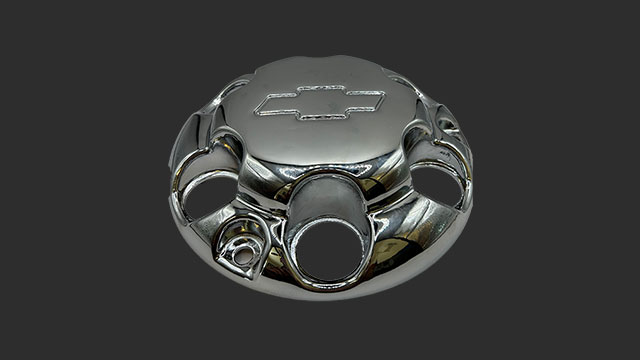
Precision manufacturing is a cornerstone of modern industrial production, where accuracy, intricacy, and consistency are non-negotiable elements for success. Within this field, the production of metal caps represents a pinnacle of meticulous engineering and fine craftsmanship. Metal caps serve as a critical component in many industries, ranging from automotive to pharmaceuticals, and their production requires a blend of technological advancement and skilled expertise.
Understanding the Role of Metal Caps
Metal caps are ubiquitous in certain sectors, offering functionality, safety, and sealing capabilities. They protect contents from external factors and ensure the integrity of the items they seal, which can range from industrial machinery to consumer goods. The demand for high-quality metal caps continuously drives manufacturers to perfect their techniques and outcomes.
The Precision Manufacturing Process
The manufacturing of metal caps involves numerous stages, starting from design and prototyping to the final quality inspections. It all begins with understanding the exact requirements of the cap, which includes material selection, dimensions, and features that it needs to possess to perform its role effectively.
The initial designs of metal caps often utilise computer-aided design (CAD) software, which allows the creation of highly precise blueprints. This digital accuracy transfers into the physical world through the use of sophisticated machinery, typically computer numerical control (CNC) machines, that carve, mould, or otherwise form the metal into the desired shape with precision down to fractions of a millimetre.
Material Selection and Its Impact
Choosing the right material is crucial for the functionality of metal caps. Manufacturers must consider factors such as strength, corrosion resistance, and compatibility with the product it will contain. Common materials include aluminium, stainless steel, and brass, each with their specific attributes that suit different applications.
Metal caps often undergo various treatments, such as anodising or plating, to enhance their properties further. These treatments not only improve performance but can also contribute to the aesthetic appeal of the product, offering a blend of form and function.
Technological Advancements in Metal Cap Manufacturing
Technology plays a pivotal role in ensuring the precision of metal caps. Advanced manufacturing techniques, through the use of CNC machines and automation, have elevated the level of detail achievable. These technologies ensure each cap is identical to the last, providing a consistency essential for customer satisfaction and safety.
Quality control is another area where technology has made significant strides. High-resolution imaging and scanning allow manufacturers to detect and rectify any defects early in the production process, minimising waste and ensuring that only the finest quality metal caps leave the factory floor.
The Skill Behind the Art
Despite heavy reliance on technology, human skill remains at the heart of precision manufacturing. Skilled engineers and technicians oversee the production process, applying their expertise to troubleshoot issues, refine production methods, and ensure the machinery operates at peak efficiency.
Their experience is invaluable when it comes to customising metal caps for specific applications, as they must consider factors such as threading, tightness of fit, and integration with other components. Here, intuition and experience complement technological prowess to produce the best possible outcome.
Environmental Considerations in Manufacturing
Today’s manufacturers are increasingly mindful of their environmental impact. With metal cap production, there is a focus on reducing waste, recycling materials, and optimising energy consumption. This environmental conscientiousness does not only reflect corporate responsibility but also aligns with consumer demand for sustainable production practices.
Recycling is particularly pertinent in the metal industry, as most metals can be recycled multiple times without losing their fundamental properties. As a result, the life cycle of metal caps can continue well beyond their initial use, contributing to a more circular economy.
Challenges and Innovations
Precision manufacturing of metal caps is not without its challenges. The race to maintain high accuracy at fast production rates can strain equipment and personnel. Therefore, ongoing investment in maintenance, training, and continuous improvement is essential to keep up with the evolving landscape of manufacturing demands.
Innovation is a constant factor in the precision manufacturing industry. Companies are exploring the use of futuristic techniques like 3D printing to provide even higher levels of customisation and flexibility in the production of metal caps. The integration of Industry 4.0 principles such as big data analysis, interconnected machinery, and smart factories is also reshaping the sector.
Conclusion
The mastery of metal caps production exemplifies the art of precision manufacturing. It calls for a balance between high-tech machinery and the deft touch of experienced professionals. In an era where precision is a fundamental requirement across industries, the role of metal caps and their manufacturers remains crucial. By embracing new technologies, sustainable practices, and a commitment to excellence, the future of this speciality within precision manufacturing remains bright and unperturbedly progressive.
In their relentless pursuit of perfection, precision manufacturers offer us more than just metal caps—they provide silent assurance that the tiniest components in our machines and devices are created with the utmost care and expertise, thus reflecting the extraordinary capabilities of modern-day manufacturing.