
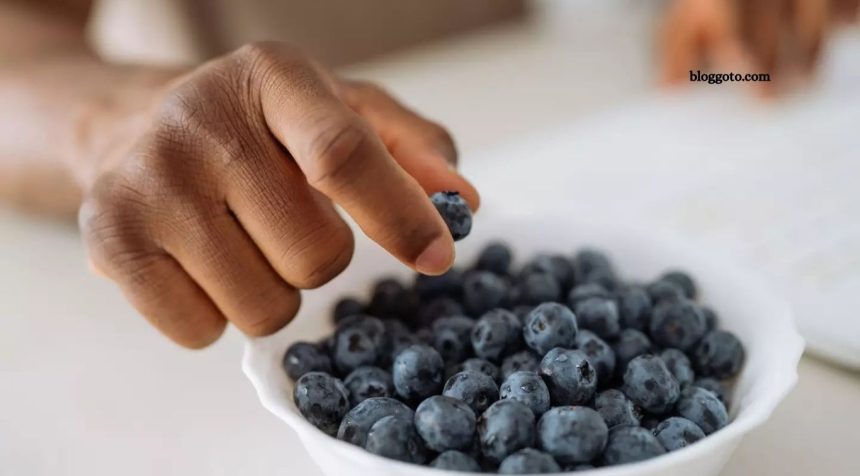
Alma Pak voluntarily recalled 400 boxes of Blueberry, each weighing 30 pounds, after routine testing detected Listeria in two specific lots: Lot #13325 G1060 and Lot #13325 G1096. The products were primarily distributed to a single customer in North Carolina. The recall was initiated on June 9, and the FDA elevated the warning to its highest risk classification on July 1.
Listeria is a harmful bacteria that can cause serious foodborne illness, particularly in pregnant women, newborns, older adults, and people with weakened immune systems. Symptoms range from mild digestive issues to severe complications, and immediate medical attention is advised if exposure is suspected.
Although the FDA issued a high-risk alert, Alma Pak stated the affected blueberries were recovered before reaching consumers. “No product was sold to the public, and there was no risk to public health,” the company told Newsweek.
In response to the incident, Alma Pak has enhanced its food safety protocols. The company implemented additional preventive measures, increased vector sampling, and conducted comprehensive testing. All follow-up tests returned negative for Listeria, confirming the effectiveness of the company’s corrective actions.
Consumers are urged to stay informed about food recalls and understand the potential health risks associated with contaminated products even when they don’t reach store shelves.
What to know about listeria
Consuming food contaminated with Listeria monocytogenes can cause foodborne illness, known as listeriosis, with symptoms that range from mild to life-threatening.
Mild cases typically resolve within 1 to 3 days and may include:
- Fever
- Nausea or vomiting
- Diarrhea
- Muscle aches
However, severe listeria infections can pose serious health risks, especially to vulnerable groups. Symptoms of advanced infection may include:
- Headaches and neck stiffness
- Confusion or loss of balance
- Convulsions
Those at highest risk include newborns, pregnant individuals, adults over 65, and people with weakened immune systems.
If you experience flu-like symptoms or any of the severe signs after eating potentially contaminated food, contact your healthcare provider immediately. Prompt diagnosis and treatment can significantly reduce the risk of serious complications.
Read More: How Oral Health Impacts Your Overall Well-Being
How does listeria bacteria grow?
Following the FDA’s recent high-risk recall of certain blueberries due to possible Listeria monocytogenes contamination, health experts urge the public not to panic.
“Blueberries are generally safe for consumption. Contamination is rare, and proper food handling significantly reduces the risk,” said Michelle Routhenstein, MS, a registered dietitian at Entirely Nourished, specializing in heart health.
While the risk of widespread contamination remains low, Listeria can develop during the food production process. Routhenstein explained that the bacteria may spread if berries are exposed to contaminated water, dirty equipment, or unsanitary surfaces during harvesting or packaging.
Improper storage is another concern. “Listeria thrives when berries aren’t kept cold enough or when hygiene protocols aren’t followed by workers,” she told Healthline.
Cross-contamination also poses a risk, especially in home kitchens. “Using the same cutting board for raw meat and then for produce—without cleaning it properly—can transfer bacteria to ready-to-eat foods,” Routhenstein warned.
Consumers are advised to wash fresh produce thoroughly, store it at the correct temperature, and avoid cross-contamination to help protect against foodborne illness.
How to lower your risk of listeria
You can lower your risk of Listeria contamination in blueberries and other fresh fruits by washing them thoroughly under running water before eating, cooking, or preparing them.
For fruits with firm skins or rinds, use a clean produce brush to scrub away dirt and bacteria, recommends Michelle Routhenstein, MS, RD, a preventive cardiology dietitian.
Proper storage is also key. Keep fruits refrigerated and separate from raw meats or other potential sources of cross-contamination.
“It’s best to eat fresh produce within a few days and to wash your hands, kitchen surfaces, and containers before and after handling it,” Routhenstein advises. Maintaining good hygiene and food safety practices can significantly reduce your risk of foodborne illness.
Frequently Asked Questions
Why were blueberries recalled?
Blueberries were recalled due to potential contamination with Listeria monocytogenes, a harmful bacteria that can cause serious foodborne illness.
Who issued the recall?
The U.S. Food and Drug Administration (FDA) announced the recall, which was initiated voluntarily by Alma Pak International LLC.
What does a Class I recall mean?
A Class I recall is the most serious type, indicating that consumption of the product could cause serious health consequences or death.
Which products are affected by the recall?
The recall includes 400 boxes of organic blueberries, each weighing 30 pounds, from specific lot numbers: #13325 G1060 and #13325 G1096.
Were the contaminated blueberries sold to the public?
No. According to the company, all affected products were recovered before reaching consumers, and no illnesses have been reported.
What are the symptoms of Listeria infection?
Symptoms include fever, nausea, muscle aches, and diarrhea. Severe cases may involve confusion, loss of balance, or convulsions—especially in high-risk individuals.
How can I protect myself from Listeria in fresh fruit?
Wash all fruits thoroughly under running water, store them properly in the refrigerator, and avoid cross-contamination with raw meats. Always clean hands and surfaces before and after handling produce.
Conclusion
The recent Class I recall of organic blueberries due to potential Listeria contamination highlights the importance of food safety and awareness. While the affected products were contained before reaching consumers, it’s essential to stay informed, follow proper food handling practices, and regularly check FDA recall alerts. Washing fresh produce, storing it correctly, and maintaining kitchen hygiene are simple but effective steps to reduce your risk of foodborne illness. By taking these precautions, you can continue to enjoy fresh fruits like blueberries safely and confidently.