
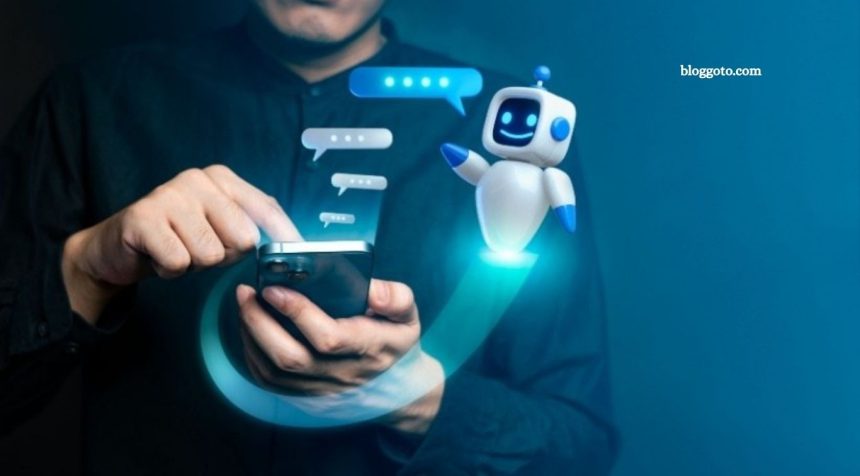
An AI agent in eLearning is an intelligent, software-driven assistant designed to enhance digital education through automation, personalization, and real-time support. These intelligent agents use machine learning and natural language processing to adapt content, answer questions, track progress, and provide feedback tailored to each learner’s needs.
By simulating human-like interactions, AI agents create a more engaging, efficient, and scalable learning experience. Whether it’s a virtual tutor, chatbot, or adaptive learning system, AI agents play a crucial role in transforming traditional online education into a dynamic, data-driven environment that supports continuous learning and improved outcomes.
Understanding AI Agents
Artificial Intelligence (AI) is rapidly transforming the way we learn, from personalized course recommendations to instant, AI-driven feedback on assignments. You may have already interacted with an AI-powered tutor without even realizing it. As AI becomes more integrated into education, one powerful innovation is emerging at the forefront: the AI agent.
Far more advanced than simple chatbots, AI agents are intelligent systems capable of perceiving their environment, making decisions, and taking action—all without direct human input. These digital assistants serve as virtual tutors or learning coaches, providing personalized recommendations, tracking progress, and helping learners improve based on their real-time performance. Their key features include autonomy, adaptability, and a clear educational goal, making them a significant asset in e-learning environments.
Unlike basic AI tools that deliver pre-set responses, AI agents analyze learner behavior, predict needs, and provide meaningful, adaptive support. They’re built specifically to enhance learning outcomes, not just to perform general tasks like virtual assistants.
Read More: 6 Clear Signs a Text Was Written by AI
Types of AI Agents in eLearning
Intelligent Tutoring Systems (ITS)
Intelligent Tutoring Systems act as personalized virtual tutors, delivering one-on-one instruction tailored to each learner’s needs. These AI agents monitor progress in real time, identify knowledge gaps, and adapt lessons, explanations, and exercises accordingly. For instance, if a learner excels in one topic but struggles with another, the ITS might offer simplified content, hints, or additional practice. Unlike traditional eLearning platforms that deliver duplicate content to everyone, ITS adapts to individual pace and comprehension. You’ll find these systems widely used in K–12 education, higher education, and corporate training environments.
Conversational AI Agents
Conversational AI agents utilize Natural Language Processing (NLP) to engage learners through natural, interactive dialogue, whether via text or voice. Unlike basic chatbots, these agents remember past interactions, track learner progress, and provide personalized responses and encouragement. They guide users through learning activities and respond intelligently to questions. The result? Learners feel more supported, engaged, and confident, especially when immediate help is available without fear of judgment or delays from instructors.
Recommendation Agents
Recommendation agents personalize the learning journey by suggesting relevant lessons, videos, articles, or learning paths. These AI agents analyze past behavior, performance trends, and learning goals to deliver targeted content at the right time. In a world of information overload, this innovative filtering system helps learners stay focused and motivated. By reducing choice fatigue and providing the most relevant next steps, recommendation agents help learners stay on track toward their objectives.
Assessment Agents
Assessment agents enhance evaluation by analyzing learner performance across quizzes, assignments, and even open-ended tasks. They provide instant, personalized feedback—identifying grammar issues in writing, suggesting sentence improvements, or pinpointing conceptual gaps in understanding. These agents not only help learners reflect and grow in real time but also save educators countless hours on manual grading. Continuous feedback keeps learners engaged and allows for targeted improvement throughout the course.
Gamified Learning Agents
Gamified learning agents bring education to life by integrating AI with game-based elements such as levels, rewards, challenges, and badges. These agents track learner behavior and dynamically adjust difficulty levels to maintain engagement without causing overwhelm. For example, language-learning apps like Duolingo utilize AI to tailor content, track dips in motivation, and introduce new challenges at just the right moment. The result is a fun, effective learning environment that encourages consistency and progression.
Emotional and Behavioral Support Agents
Still in early development, emotional and behavioral support agents represent the cutting edge of eLearning innovation. Powered by affective computing, these AI agents aim to recognize emotional states through cues like facial expressions, typing speed, voice tone, or on-screen behavior. For example, if a learner seems disengaged—skimming content or clicking too quickly—the AI can offer a break, easier material, or supportive messages. These emotionally intelligent agents have the potential to reduce dropout rates, improve mental well-being, and create a more empathetic learning experience.
How Do AI Agents Work in eLearning Platforms?
Data Collection and Analysis
AI agents rely on data to enhance learning experiences. They continuously track how learners interact with course materials, such as which modules they complete quickly, what content they revisit, how many attempts they need to answer questions, and even when they’re most active or how long they stay on a page. This behavior-driven data is transformed into actionable insights, helping build detailed learner profiles. With this information, AI agents personalize content, address knowledge gaps, and optimize the path for individual success.
Smart Decision-Making
After collecting sufficient data, AI agents begin making real-time, data-driven decisions. For example, if a learner consistently scores below 70% on quizzes and spends minimal time in each module, the agent may recommend a review session or alternative resources. These decisions are powered by advanced algorithms and often enhanced by Machine Learning (ML), allowing the AI agent to refine its recommendations over time and adapt to evolving learner needs.
Natural Language Processing (NLP)
Natural Language Processing allows AI agents to communicate with learners using everyday language. Instead of navigating complex menus, learners can simply ask questions or seek guidance through a conversational interface. NLP-powered agents can explain complex topics, answer open-ended questions, provide translations, detect emotional tone, and recommend follow-up materials—all through intuitive, human-like dialogue.
Machine Learning and Personalization
Machine Learning enables AI agents to improve with every interaction with a learner. By analyzing patterns in behavior, the agent identifies preferences—such as a learner performing better with videos over text—and adjusts future content accordingly. Over time, the agent becomes increasingly innovative and effective, delivering a continuously evolving and personalized learning experience.
LMS Integration
Most AI agents seamlessly integrate with Learning Management Systems (LMS), enhancing the platform’s functionality. They provide personalized dashboards, suggest next steps, track progress in real time, and offer intelligent content recommendations. Instructors also benefit—AI agents can alert them if a learner is falling behind or showing signs of disengagement. This integration ensures a more proactive, supportive, and data-informed learning environment.
Frequently Asked Questions
What is an AI agent in eLearning?
An AI agent in e-learning is an intelligent software program designed to assist, guide, and enhance the learning experience. It utilizes technologies such as machine learning, natural language processing, and data analytics to deliver personalized support, feedback, and recommendations tailored to learners.
How do AI agents improve online learning?
AI agents enhance online learning by delivering personalized content, tracking learner performance, identifying knowledge gaps, and offering real-time feedback. This leads to a more adaptive and engaging learning experience compared to traditional e-learning methods.
What are some examples of AI agents,,i.e , learlearning
Common examples include intelligent tutoring systems, AI-powered chatbots, recommendation engines, assessment tools, and gamified learning assistants. These agents help with everything from answering questions to suggesting next learning steps.
Can AI agents replace human instructors?
AI agents are not designed to replace human instructors but to support them. They handle repetitive tasks, provide instant feedback, and assist learners, enabling educators to focus on mentoring, content creation, and strategic planning.
Are AI agents safe and reliable for education?
Yes, when properly designed and integrated, AI agents can be both safe and effective. They adhere to privacy standards and can enhance learning outcomes through data-driven insights. However, they should always be used in conjunction with human oversight.
Do AI agents work with all Learning Management Systems (LMS)?
Many AI agents are built to integrate with popular LMS platforms like Moodle, Canvas, Blackboard, and others. However, compatibility depends on the specific AI tool and the LMS’s API capabilities.
Is it expensive to implement AI agents in e-learning?
The cost varies depending on the complexity and features of the AI solution. Some platforms offer built-in AI tools, while others require custom integration. Over time, the investment can lead to cost savings by automating support and improving learner outcomes.
How do AI agents personalize the learning experience?
AI agents analyze learner behavior, preferences, and performance to deliver tailored content, adjust difficulty levels, recommend resources, and offer real-time guidance, ensuring each learner receives a unique and effective learning path.
Conclusion
AI agents are revolutionizing e-learning by delivering personalized, adaptive, and interactive learning experiences. By leveraging advanced technologies like machine learning and natural language processing, these intelligent systems provide real-time support, track progress, and tailor content to meet each learner’s unique needs.
As education continues to evolve, integrating AI agents into digital platforms will become increasingly vital for enhancing engagement, improving outcomes, and scaling the quality of instruction. Embracing AI agents today empowers educators and learners alike to unlock the full potential of online education in a fast-paced, technology-driven world.