

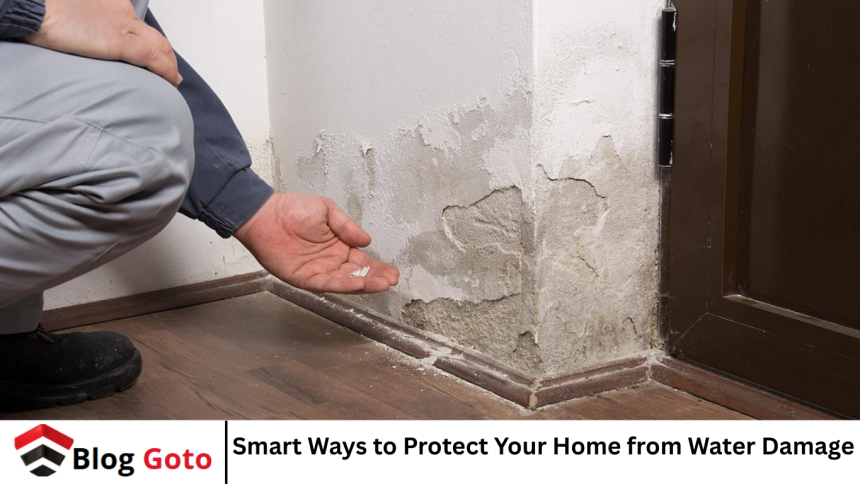
Water damage is one of the most common and costly issues homeowners face. From burst pipes to heavy rainfalls, the risk is ever-present—and often underestimated. Water doesn’t just ruin flooring and furniture; it can cause foundational damage, promote mold growth, and even lead to health hazards.
Fortunately, modern homeowners have more tools than ever to protect their investments. Water may be essential for life, but when it invades your home uninvited, it becomes a destructive force.
This comprehensive guide will walk you through smart ways to prevent water damage inside and outside your home. Whether you’re a new homeowner or a seasoned property manager, implementing these tips can save you thousands in repair costs—and untold stress.
More Read: Is It Time to Move—or Time to Remodel Your Home?
Understanding the Sources of Water Damage
Before you can prevent water damage, it’s important to know where it comes from. Common culprits include:
- Leaking roofs
- Cracked foundations
- Burst or leaking pipes
- Faulty appliances (dishwashers, washing machines)
- Blocked gutters and downspouts
- Poor drainage systems
- Sump pump failures
Identifying the most vulnerable points in your home will help you take action proactively instead of reactively.
Exterior Defense—Safeguarding the Outside
Your first line of defense starts outside your home.
Maintain Your Roof
Your roof is your home’s umbrella. Inspect it at least twice a year for:
- Missing or broken shingles
- Damaged flashing
- Clogged gutters
Replace or repair weak spots immediately to prevent leaks during rain or snow.
Clean and Extend Gutters
Clogged gutters can overflow and direct water toward your home’s foundation. Keep them clean and use downspout extensions to channel water at least 6 feet away from your house.
Grade the Landscape
Ensure your yard slopes away from your foundation. Poor grading can funnel water toward your home, increasing the risk of basement flooding.
Seal Windows and Doors
Check exterior caulking and weatherstripping annually. Gaps in seals can allow water intrusion during storms or heavy rain.
Install a French Drain
If your property tends to flood, a French drain—a trench filled with gravel and a perforated pipe—can redirect water away from your home.
Interior Precautions—What’s Inside Counts Too
Water damage prevention doesn’t stop at the door.
Upgrade Old Plumbing
Pipes corrode and wear over time. Consider upgrading to PEX or copper piping. Schedule annual inspections, especially if your home is more than 30 years old.
Insulate Pipes
During colder months, uninsulated pipes can freeze and burst. Use foam insulation sleeves in basements, crawlspaces, and exterior walls.
Install Water Leak Detectors
Smart sensors can alert you to the slightest leaks near water heaters, under sinks, or behind toilets. Some even shut off the water supply automatically.
Use Water Alarms
Similar to smoke alarms, water alarms can be placed in high-risk areas like basements or laundry rooms and sound off if moisture is detected.
Monitor the Water Bill
A sudden spike in your bill might indicate a hidden leak. Compare monthly usage and investigate anomalies promptly.
Appliances and Maintenance Tips
Appliances are often overlooked sources of water damage.
Replace Old Hoses
Check washing machines and dishwashers for brittle or bulging hoses. Replace every 3–5 years with braided stainless steel ones for durability.
Maintain Your Water Heater
Drain the tank yearly to prevent sediment buildup. Consider replacing units older than 10–12 years to avoid surprise leaks.
Check Refrigerator Water Lines
If your fridge has a water dispenser or ice maker, ensure the water line is secure and not cracked. Even tiny drips can cause long-term damage.
Basement and Foundation Protection
Basements are notorious for water issues.
Install a Sump Pump
A sump pump removes accumulated water from your basement. Choose one with a battery backup to keep it running during power outages.
Apply Waterproof Sealant
Use waterproof paint or sealant on basement walls and floors to act as an extra barrier against moisture.
Inspect Foundation Cracks
Small cracks can turn into big problems. Seal hairline cracks with epoxy and consult a structural engineer for significant damage.
Embracing Smart Technology
In the age of smart homes, technology can be your best ally against water damage.
Smart Leak Detectors
Devices like Flo by Moen or LeakSmart monitor water flow in real time and can shut off your water supply automatically when an anomaly is detected.
Smart Water Meters
Advanced water meters detect unusual usage patterns and notify you via app alerts, helping to detect hidden leaks early.
Integrate with Smart Home Systems
Connect your leak detectors to Alexa, Google Home, or Apple HomeKit to receive instant notifications—even when you’re away.
Insurance and Emergency Preparedness
Even the best systems can fail. Being prepared is essential.
Review Your Insurance Policy
Standard homeowners insurance often doesn’t cover flood damage. Consider adding flood insurance, especially if you live in a high-risk zone.
Create an Emergency Plan
Include:
- Shutoff locations for water, gas, and electricity
- Emergency contact numbers
- A go-bag with essentials
Keep an Inventory
Document all belongings with photos or video. In the event of damage, this helps immensely with insurance claims.
Frequently Asked Question
What are the signs of hidden water damage in a home?
Common signs include:
- Musty odors
- Discolored walls or ceilings
- Peeling paint or wallpaper
- Warped floors
- Mold or mildew spots
If you notice these, investigate immediately.
How often should I inspect my home for potential water issues?
Inspect your home seasonally (four times a year). Focus on:
- Roof and gutters in fall and spring
- Pipes and insulation before winter
- Foundation and basement year-round
Is water damage always covered by insurance?
Not always. Standard homeowners insurance may cover burst pipes or appliance leaks but not flood damage. Check your policy and consider flood insurance if needed.
What should I do if I find a leak?
Immediately:
- Turn off the water supply
- Contain the water using towels or buckets
- Use a wet/dry vacuum if needed
- Call a plumber or restoration service
The faster you act, the less damage occurs.
Are smart water sensors worth the investment?
Yes. Smart leak detectors and auto shutoff valves can prevent catastrophic damage and save thousands in repairs. They’re especially useful for vacation homes or rental properties.
Can landscaping affect water damage risk?
Absolutely. Poor grading, clogged drains, or improperly placed flower beds can direct water toward your foundation. Always ensure water flows away from your home.
What is the difference between water damage and flood damage?
Water damage usually comes from inside sources (pipes, appliances), while flood damage is external (heavy rain, overflowing rivers). Insurance policies treat them differently.
Conclusion
Water damage can be a silent and slow-moving threat—but with the right preventive steps, you can protect your home and peace of mind. From sealing your roof to installing smart leak detectors, each strategy adds a layer of defense. Homeownership comes with its share of challenges, but proactive maintenance and smart technology go a long way in keeping your property safe, dry, and secure.