

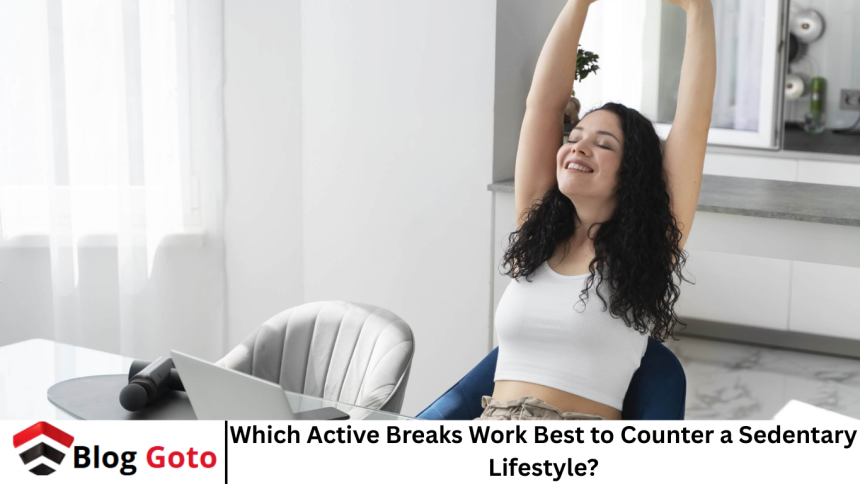
We live in a world that sits. From desk jobs to Netflix binges, we’re spending more time in chairs than ever before. Research has shown that prolonged sitting is linked to a host of health problems—including obesity, type 2 diabetes, cardiovascular disease, and even early death. It’s been dubbed “the new smoking” by health professionals.
But which active breaks work best? Is it stretching? A brisk walk? Maybe some squats between Zoom meetings? In this article, we’ll dive deep into the science behind active breaks, explore the best types of movement, and give you practical ways to implement them—whether you’re at home, at the office, or somewhere in between.
But here’s the good news: you don’t need to train for a marathon to reverse the damage. Short, consistent “active breaks” woven into your daily routine can help counter the health risks of a sedentary lifestyle.
More Read: Active Lifestyles Drive Growth in Sporting Goods and Events Markets
What Are Active Breaks?
An active break is a short period of physical activity interspersed throughout your day. Unlike longer workouts, these breaks can be as brief as 1–10 minutes and are designed to get you moving during otherwise inactive periods—like while working at a desk, driving long distances, or sitting through classes.
These breaks are intended to:
- Improve circulation
- Reignite metabolism
- Reduce muscle stiffness
- Improve mental focus
- Lower the risks of chronic diseases
Why Sitting Is So Harmful
Prolonged sitting affects the body in multiple negative ways. According to numerous studies:
- Sitting for more than 8 hours a day is associated with a 90% increased risk of type 2 diabetes.
- The enzymes responsible for breaking down fat decrease by as much as 90% after just a few hours of sitting.
- Blood flow slows, which can lead to blood clots.
- Poor posture from sitting leads to neck, shoulder, and back pain.
- Mental focus and productivity often decline due to reduced blood flow to the brain.
That’s why active breaks aren’t just helpful—they’re essential.
Top 7 Types of Active Breaks to Reverse Sedentary Harm
Let’s explore the most effective forms of active breaks to counteract all that sitting.
Brisk Walking
- Duration: 5–10 minutes
- Frequency: Every 60–90 minutes
Walking is simple, accessible, and effective. Whether you’re walking around your office, home, or neighborhood, brisk walking gets your heart rate up, improves blood circulation, and helps clear your mind. Bonus: It’s joint-friendly and doesn’t require any equipment.
Best for: Cardiovascular health, mental clarity, and calorie burning.
Desk Stretches
- Duration: 2–5 minutes
- Frequency: Every 30–60 minutes
Targeting your neck, shoulders, back, wrists, and hips, these stretches are ideal for breaking up typing sessions or long meetings. Examples include:
- Neck rolls
- Shoulder shrugs
- Seated spinal twists
- Wrist flexor/extensor stretches
- Standing hip flexor stretches
Best for: Posture correction and reducing muscle stiffness.
Standing and Movement Breaks
- Duration: 1–3 minutes
- Frequency: Every 30–45 minutes
Just standing up activates muscles that stay dormant while sitting. Combine standing with basic movement—like marching in place, heel raises, or light dancing—to get your blood flowing without leaving the room.
Best for: Muscle activation and circulation.
Resistance Band Exercises
- Duration: 5 minutes
- Frequency: 2–3 times per day
Resistance bands are compact and perfect for office or home use. Targeting both upper and lower body, they provide strength training benefits without heavy equipment. Try:
- Band pull-aparts
- Banded squats
- Seated rows
- Lateral walks
Best for: Strength, joint mobility, and muscular endurance.
High-Intensity Micro Workouts (HIIT Snacks)
- Duration: 4–7 minutes
- Frequency: 1–2 times daily
These short bursts of intense movement—like jumping jacks, squats, or burpees—elevate heart rate quickly and provide significant health benefits. Studies show that even short HIIT workouts can improve insulin sensitivity, VO2 max, and fat oxidation.
Best for: Cardiovascular fitness and fat metabolism.
Yoga and Mobility Drills
- Duration: 5–10 minutes
- Frequency: Once or twice a day
Gentle yoga or mobility exercises help unlock tight hips, open the chest, and enhance balance. Poses like cat-cow, downward dog, and pigeon stretch are perfect for seated-body relief.
Best for: Flexibility, mental relaxation, and pain prevention.
Active Office Tools (Standing Desk, Under-Desk Bike, Balance Boards)
Duration: Variable (integrated throughout the day)
Swapping your chair for a standing desk or adding an under-desk pedal machine can create opportunities for passive movement without changing your workflow. These tools reduce overall sitting time and encourage low-level, continuous activity.
Best for: Long-term behavior change and calorie burn during work.
How Often Should You Take Active Breaks?
Experts recommend standing or moving every 30–60 minutes. The 20-8-2 rule is gaining popularity:
- Sit for 20 minutes
- Stand for 8 minutes
- Move for 2 minutes
The key is consistency, not intensity. You don’t need to sweat—just move.
Building Active Breaks Into Your Routine
Here’s how to naturally integrate active breaks into your day:
Use Reminders
Set phone alarms or use apps like “Stand Up!” or “Stretchly” to nudge you.
Anchor to Habits
Pair breaks with activities you already do—e.g., stretch while your coffee brews.
Make It Social
Do walking meetings, join group stretch breaks, or create office challenges.
Reward Yourself
Use habit-tracking apps and reward small wins to stay motivated.
Benefits of Active Breaks: Beyond Physical Health
Mental Boost
Regular movement refreshes your brain, improving concentration and reducing stress.
Improved Productivity
Studies show people who take short active breaks tend to be more productive than those who work continuously without pause.
Better Sleep
Physical activity regulates circadian rhythms and enhances deep sleep.
Mood Regulation
Exercise increases endorphin levels, reducing symptoms of anxiety and depression.
Common Mistakes to Avoid
- Waiting until you’re sore: Don’t wait for discomfort to take action. Be proactive.
- Doing only one type of movement: Mix cardio, strength, and mobility.
- Skipping breaks on busy days: Busy days need breaks the most—schedule them.
- Poor posture while working: Active breaks can only do so much if posture is neglected in between.
Frequently Asked Question
How short can an active break be and still be effective?
Even 2–3 minutes of movement can counteract some negative effects of sitting. The most important thing is frequency—not duration. Moving every 30–60 minutes matters more than taking one long break a day.
Can I replace a full workout with active breaks?
Active breaks aren’t meant to replace structured exercise but to supplement it. However, for very busy people, frequent movement throughout the day can still offer measurable health benefits.
What if I work in a tiny space?
You can still stretch, march in place, or do wall push-ups. Desk-friendly exercises like shoulder rolls, neck tilts, and seated leg lifts are great options.
Are standing desks really worth it?
Yes, when used properly. They reduce sedentary time and promote better posture. However, standing all day isn’t the goal either—movement is. Alternate between sitting, standing, and walking.
How do I avoid breaking my workflow with too many interruptions?
Use the Pomodoro Technique (25 minutes of work + 5 minutes of break). You can stretch, move, or walk during breaks without disrupting productivity.
Are there apps to help me remember to take active breaks?
Yes! Try:
- Stretchly
- Workrave
- Stand Up!
- Move – Daily Activity Reminder
These apps provide prompts and suggestions tailored to your schedule.
What’s the best active break for mental clarity?
Brisk walking outdoors is excellent. It combines light cardio, natural light, and a change of scenery, all of which help refresh the brain and reduce stress.
Conclusion
The modern lifestyle may demand hours behind a screen, but your health doesn’t have to suffer for it. By incorporating frequent, effective active breaks—whether it’s a short walk, a few yoga poses, or a desk stretch—you can combat the health risks of sitting and even improve your mental clarity, productivity, and energy levels. The goal isn’t to eliminate sitting entirely but to build a sustainable rhythm of movement into your day. Small steps—taken often—lead to big results. So get up, stretch, move, and take control of your health one active break at a time.