

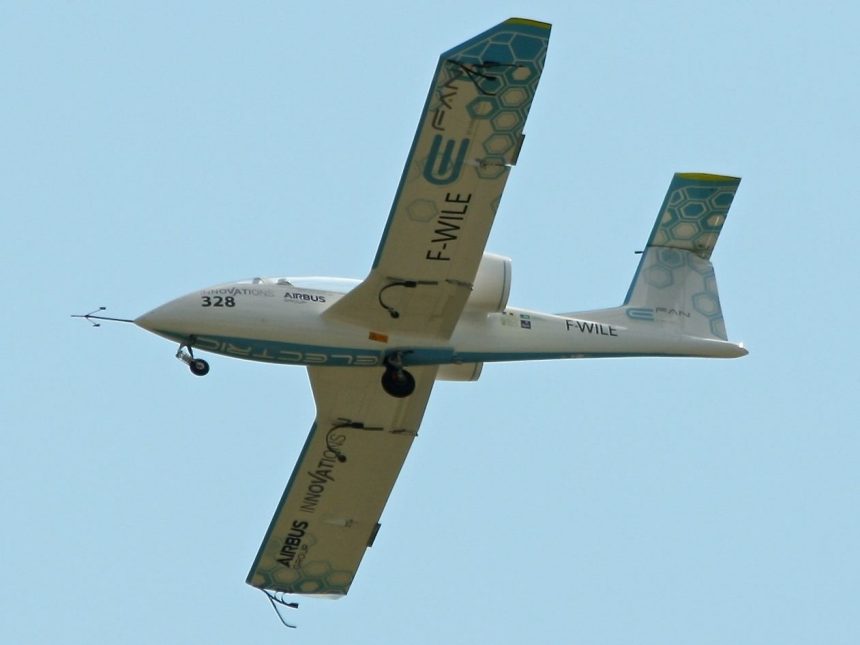
Aviation is one of the hardest industries to free from fossil fuels, yet the first electric aeroplanes are already flying. Small electric aircraft use batteries and motors instead of engines and fuel, and they are quiet, smooth and cheap to run, with far fewer moving parts to maintain. The first ones to enter service are carrying a handful of passengers on short routes, such as flights between islands or from a city to a nearby town, where the journey lasts less than an hour and the batteries can be recharged between trips. Training schools have embraced them too, since student pilots can practise take-offs and landings for a fraction of the cost of a petrol-powered trainer, and the quiet aircraft disturb neighbours far less.
What the Evidence Shows
The challenge for electric flight is weight. Batteries store far less energy per kilogram than jet fuel, so an electric aeroplane that could cross an ocean would need batteries so heavy it could never leave the ground. Engineers are working on lighter batteries, hybrid systems that pair a small engine with electric motors, and designs that use hydrogen fuel cells, which store more energy than batteries. Regulators are writing new safety rules for electric aircraft, and airports are adding charging points at small airfields. Large passenger jets are likely to keep burning fuel for years to come, but for short hops, island routes and pilot training, electric flight is already here, and its quiet hum may soon be a familiar sound above small airfields. Reporting and analysis from sources such as IEEE Spectrum track the same developments, and specialists following the electric planes flying short routes say the direction is now consistent across independent lines of evidence.
The Wider Context
Adoption of the electric planes flying short routes follows a familiar pattern with an unfamiliar speed. Early users tolerate rough edges in exchange for advantage, mainstream users arrive when the tool disappears into existing workflows, and the market consolidates around whoever made that transition feel effortless. Vendors are racing less on raw performance now than on integration, support and trust.
What Happens Next
The realistic forecast for the electric planes flying short routes is steady integration rather than sudden replacement: embedded in products people already use, improving in increments, and regulated in proportion to its reach. The companies and institutions that plan on that basis, training staff and redesigning processes instead of chasing launches, are the ones the adoption data tends to vindicate. You can follow related developments in our coverage of technology.
It is also worth remembering how quickly the picture in this area has changed before. Positions that looked settled a few years ago have been revised as new data arrived, and the same humility is appropriate now. The strongest coverage of this subject, and the most useful advice, tends to come from sources that update their views openly when the facts move, rather than defending an earlier position long after it has stopped fitting the evidence available.