

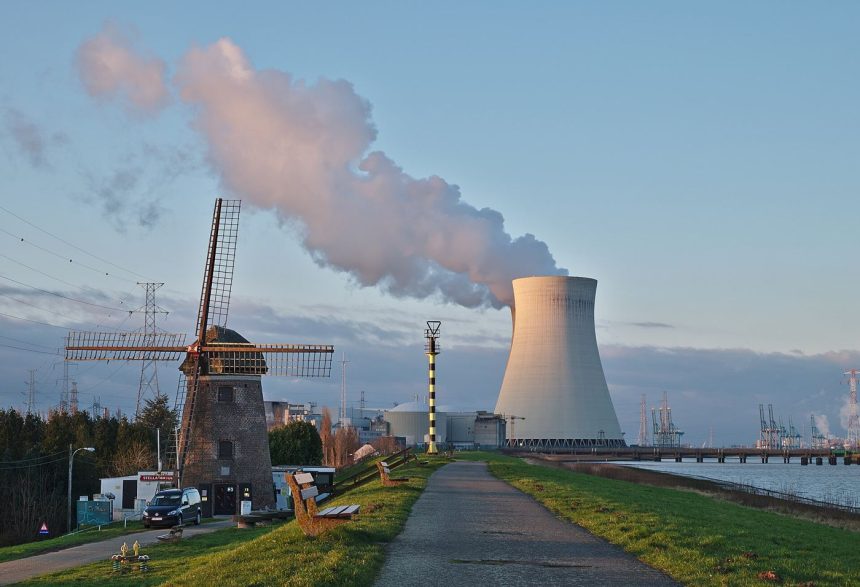
Artificial intelligence has created an unlikely alliance between technology giants and the nuclear industry. Data centres training large models consume as much electricity as small cities, and they need it around the clock. Solar and wind alone cannot guarantee that supply, so several firms have signed agreements to restart reactors and fund small modular reactors, factory-built units designed to be cheaper than traditional plants. Sceptics caution that pilot projects often succeed precisely because they are small and watched. Manufacturers say the newest generation is noticeably more efficient than the models it replaces.
What makes SMRs different
A small modular reactor produces roughly a tenth of the output of a conventional plant, but most of its components are built in a factory and shipped to site. Supporters say repetition will drive costs down the way it did for aircraft and solar panels. Designs emphasise passive safety: systems that cool the core using gravity and convection even if power fails completely. What happens in the next budget cycle will say more than any keynote presentation. Reporting and analysis from sources such as International Energy Agency track the same trend. Supply chains remain the quiet constraint behind many launch dates announced with confidence.
The honest obstacles
No Western SMR has yet operated commercially, and the one American project once seen as a frontrunner was cancelled after costs rose. Licensing a new reactor design takes years, fuel supply chains are thin, and communities reasonably ask hard questions about waste and siting. Energy historians note that nuclear projects have a long record of arriving late and over budget, whatever the brochure says. Supply chains remain the quiet constraint behind many launch dates announced with confidence. Prices tend to fall quickly once production scales, which rewards patient buyers. You can follow related developments in our technology coverage.
A portfolio, not a bet
Most analysts expect data-centre power to come from a mix: renewables where they are cheap, grid upgrades, gas as a bridge in some regions, and nuclear where politics and prices allow. The significance of the current deals is less the first reactors themselves than the signal to supply chains that a market exists. Whether that signal survives contact with construction costs will decide if this is a renaissance or another false dawn. Prices tend to fall quickly once production scales, which rewards patient buyers. As the evidence develops, expect guidance and policy to be revised in public, which is not a failure of the process but the process working exactly as it should.
There is a practical lesson in all of this for readers deciding what to do today. Start with the verified facts, be wary of anyone promising certainty, and prefer reversible steps while the evidence is still developing. Circumstances differ by country, income and personal situation, so general guidance should always be weighed against your own context before you act on it in any significant or lasting way.